When the Catholic Church is mentioned, many think exclusively of the Latin Church, to which the vast majority of the world's Catholics belong. However, the Catholic Church is actually composed of 24 "sui iuris" or autonomous Churches: the Latin Church and 23 Eastern Catholic Churches, which are heirs to the ancient Christian traditions of the Middle East, Eastern Europe, Africa, and India.
These Churches have preserved their own liturgical languages, spiritualities, disciplines, and forms of ecclesiastical organization. Some celebrate the liturgy in Arabic, Syriac, Ge'ez, Coptic, Armenian, or Church Slavonic. Others maintain traditions that date back to the early communities founded by the apostles.
All of them are in full communion with the pope, the successor of St. Peter and head of the worldwide Catholic Church.
One Church, many traditions
The Eastern Catholic Churches stem from five major liturgical traditions: Alexandrian, Antiochene, Armenian, Chaldean, and Byzantine. Each possesses its own theological, spiritual, and cultural heritage, developed over centuries within vastly different historical contexts.
Among them are well-known Churches such as the Maronite Church of Lebanon, the Ukrainian Greek Catholic Church, the Syro-Malabar Church of India, and the Coptic Catholic Church of Egypt. Many exist as minorities in countries where Islam or Orthodox Churches predominate, and several have endured persecution, war, or mass emigration.
Governance through synods
One of the most distinctive characteristics of these Churches is their internal organization. Unlike the practice often found in the Latin Church, many Eastern Churches operate through a robust synodal system.
Each Church is structured around a synod of bishops, which serves as the primary governing body. This body legislates on numerous aspects of ecclesial life, makes pastoral decisions, and participates in the election of new bishops. In patriarchal and major archiepiscopal Churches, the synod even elects the patriarch or major archbishop, an election that must subsequently be recognized or confirmed in accordance with norms established by Rome.
Pope Leo XIV has recently reformed the canon law governing Eastern patriarchal Churches to address a legal gap that hindered the resolution of internal conflicts. Through a motu proprio the pontiff granted greater autonomy to the bishops, enabling them to convene a synod independently of the patriarch and to seek his removal with a two-thirds majority vote, a measure that remains subject to the pope's final approval.
The 23 Eastern Churches
Alexandrian tradition
Coptic Catholic Church
The Coptic Catholic Church has its roots in the ancient Church of Alexandria, founded according to tradition by St. Mark the Evangelist. It is primarily present in Egypt and uses the Alexandrian rite in the Coptic and Arabic languages.
It entered into full communion with Rome in the 18th century and is headed by the Coptic patriarch of Alexandria. Interestingly, the Coptic language used in the liturgy represents the final historical stage of the language of ancient pharaonic Egypt, making this Church the direct heir to a cultural tradition spanning more than 3,000 years.

Ethiopian Catholic Church
The Ethiopian Catholic Church arose from communities of the Ge'ez tradition that reestablished full communion with the Holy See. It is present primarily in Ethiopia and celebrates the liturgy according to the Ethiopian Alexandrian rite, which is characterized by strong biblical symbolism and numerous distinctive traditions.
It primarily uses the Ge'ez language in its liturgy and is distinguished by the integration of African cultural elements into ecclesial life. An interesting feature is that many of its celebrations include traditional instruments such as drums and sistrums, a practice uncommon in other Catholic Churches.
Eritrean Catholic Church
Established as a "sui iuris" metropolitan church in 2015 by Pope Francis, the Eritrean Catholic Church brings together Catholics of the Alexandrian tradition in Eritrea. It shares the use of the Ge'ez rite with the Ethiopian Church, although it possesses its own hierarchy.
It represents a significant portion of the country's Catholics and is notable for the vitality of its vocations and its strong Eastern liturgical identity. It is one of the youngest Eastern Catholic Churches from an institutional standpoint, even though its Christian roots date back to the early centuries.
Armenian Tradition
Armenian Catholic Church
The Armenian Catholic Church follows the liturgical and spiritual tradition of the Armenian people, the first kingdom to officially adopt Christianity in the year 301. It gradually entered into communion with Rome starting in the Middle Ages and is currently led by the patriarch of Cilicia of the Armenians.
Its liturgy, traditionally celebrated in Classical Armenian, preserves unique elements derived from ancient Armenian traditions. A notable feature is the use of a curtain that is drawn and opened at specific moments during the liturgy, a custom inherited from early Christianity.
Antiochene Tradition (West Syriac)
Maronite Church
The Maronite Church is the only Eastern Catholic Church that has never broken communion with Rome. Its origins trace back to the communities gathered around St. Maron in Syria and Lebanon.
It is headed by the Maronite patriarch of Antioch and follows the West Antiochene rite, retaining the liturgical use of Syriac alongside Arabic and other modern languages. Many liturgical texts contain words in Aramaic, the language spoken by Jesus, giving its celebrations a particularly evocative character.
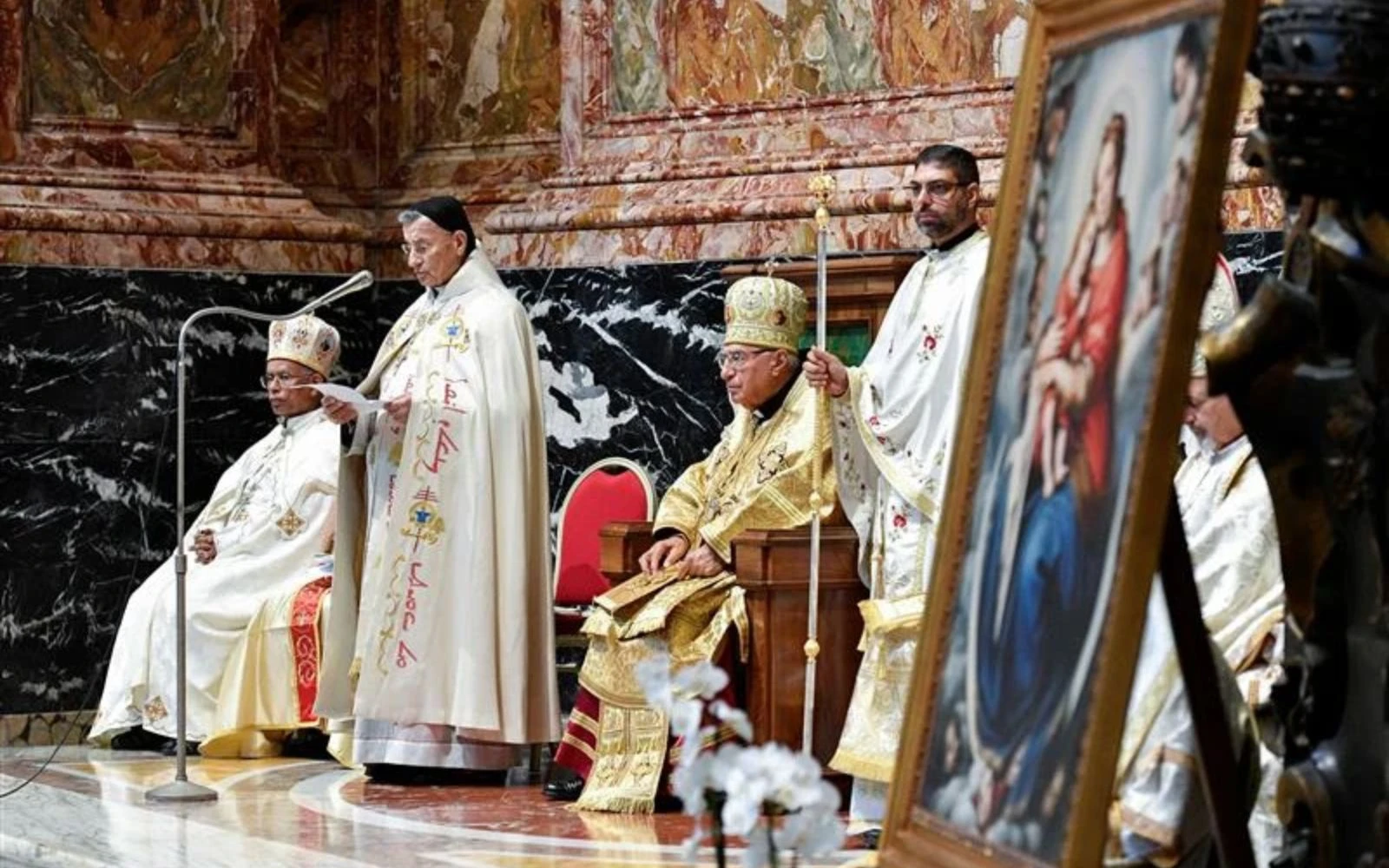
Syriac Catholic Church
The Syriac Catholic Church originated from groups within the Syriac Orthodox Church that entered into communion with Rome during the 17th and 18th centuries. It preserves the spiritual and liturgical heritage of the ancient Syriac tradition of Antioch.
It is headed by the patriarch of Antioch of the Syriacs and celebrates the liturgy in West Syriac and in the vernacular languages ??of its faithful. Its hymns and prayers retain very ancient expressions of Semitic Christianity that have scarcely changed since the early centuries.
Syro-Malankara Catholic Church
The Syro-Malankara Catholic Church traces its origins to the Christian community of Kerala, India, which is historically linked to the West Syriac tradition. In 1930, a group led by Archbishop Geevarghese Mar Ivanios entered into communion with Rome.
Today, it is a major archiepiscopal church that combines the Antiochene liturgical heritage with Indian cultural traditions. During certain important celebrations, the faithful participate in processions featuring ceremonial umbrellas and floral decorations characteristic of Indian culture.
Chaldean tradition (East Syriac)
Chaldean Catholic Church
The Chaldean Catholic Church originates from the ancient Church of the East and has its primary historical center in Mesopotamia, particularly in present-day Iraq. It entered into communion with Rome during the 16th and 17th centuries and is led by the patriarch of Babylon of the Chaldeans.
It employs the Chaldean rite and preserves the liturgical use of Eastern Aramaic, a language closely related to the one spoken by Jesus. Its communities maintain some of the oldest Christian traditions in the world, in territories evangelized as early as the first centuries.
Syro-Malabar Catholic Church
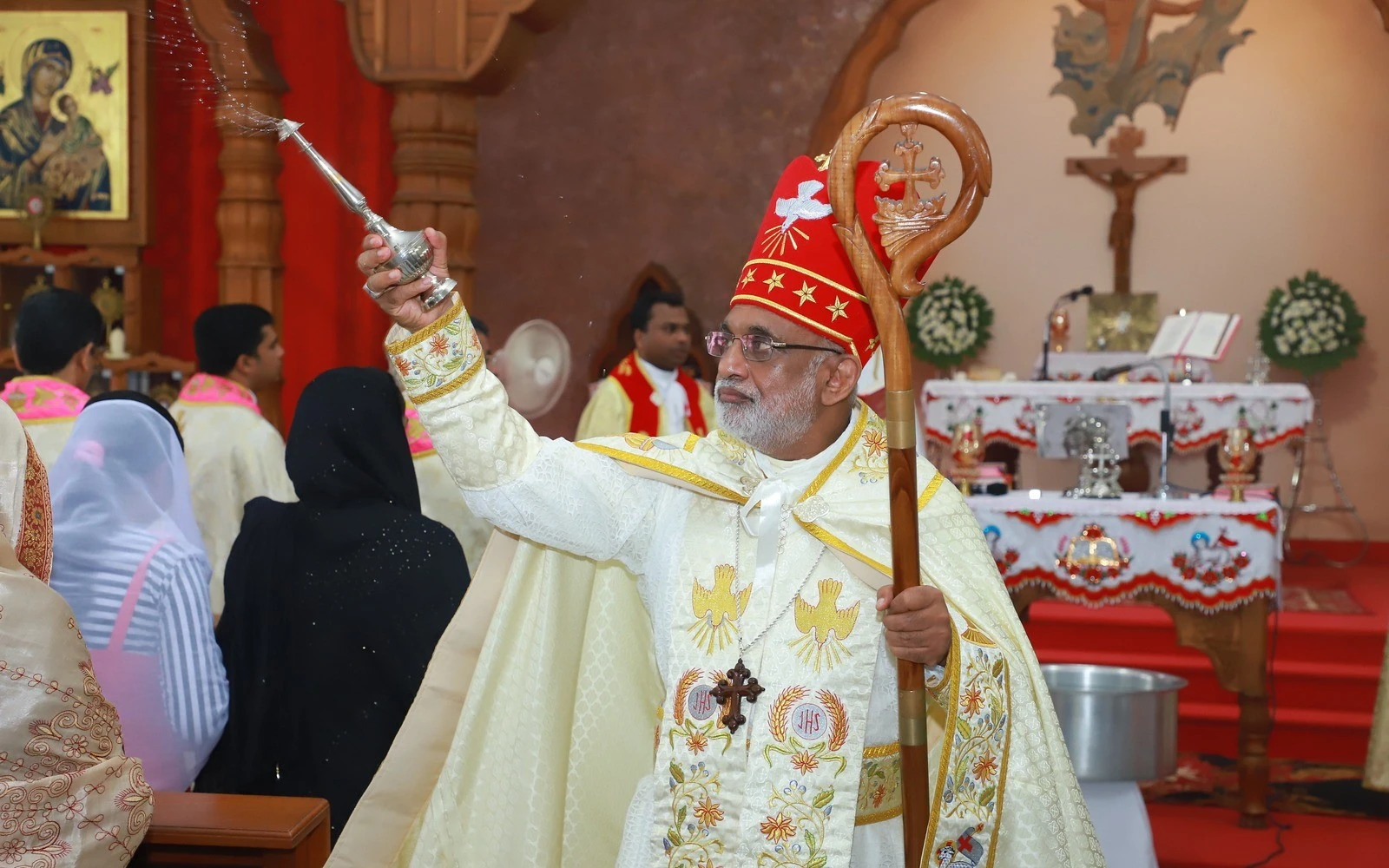
The Syro-Malabar Catholic Church is one of the largest Eastern Catholic Churches. It traces its roots to the so-called St. Thomas Christians of India, who, according to tradition, were evangelized by the apostle.
It follows the East Syriac liturgical tradition and has been raised to the rank of a major archiepiscopal church. It currently has millions of faithful, both in India and in the diaspora. It is the second-largest Eastern Catholic Church in the world, surpassed only by the Ukrainian Greek Catholic Church.
Byzantine tradition
Albanian Catholic Church
The Albanian Catholic Church of the Byzantine rite is a small Eastern Catholic Church found primarily in Albania. It arose from communities that adopted the Byzantine tradition while maintaining communion with Rome.
Although small in number, it stands as an important testament to the religious diversity of the Balkans. Its history was marked by severe religious persecution under the Albanian communist regime, one of the harshest of the 20th century.
Belarusian Catholic Church
The Belarusian Catholic Church follows the Slavic Byzantine tradition and traces its origins to the Union of Brest of 1596. Over the centuries, it endured persecution and long periods of institutional disappearance.
Today, it exists primarily in small communities both within and outside Belarus. For decades, it survived mainly thanks to groups of emigrants scattered across Europe and the Americas.
Byzantine-Slavic Rite Catholics in Bulgaria
The Byzantine-Slavic Rite Catholic community in Bulgaria emerged in the 19th century, when a group of Bulgarian Christians sought communion with Rome while retaining the Byzantine-Slavic liturgical and spiritual tradition. A pivotal moment occurred in 1861 with the reception of Archimandrite Joseph Sokolsky into the Catholic Church and his episcopal consecration by Pope Pius IX.
Today, Byzantine-Slavic Rite Catholics in Bulgaria comprise the Eparchy of St. John XXIII of Sofia, established in 2019 when the former apostolic exarchate was raised to the rank of eparchy. They preserve the Byzantine-Slavic liturgical tradition, celebrating the Divine Liturgy primarily in Bulgarian and Church Slavonic.
At the same time, the Catholic Church in Bulgaria also includes the Latin dioceses of Sofia and Plovdiv-Nikópolis. Thus, Bulgaria is a particularly interesting example of the coexistence of Latin and Byzantine-Slavic traditions within the same jurisdiction.
Greek Catholic Church
The Greek Catholic Church consists of communities of the Byzantine tradition located in Greece that are historically linked to communion with Rome. It preserves the Liturgy of St. John Chrysostom and other forms characteristic of the Byzantine heritage.
Situated in a country where the vast majority of Christians belong to the Orthodox Church, it constitutes a small but significant minority.
Hungarian Greek Catholic Church
The Hungarian Greek Catholic Church arose from Byzantine-rite communities established in the Kingdom of Hungary. It uses Hungarian in its liturgy and was elevated to the rank of a metropolitan "sui iuris" Church in 2015.
It was one of the first Eastern Churches to widely introduce a modern language, Hungarian, into its liturgical celebrations.
Italo-Albanian Church
The Italo-Albanian Church brings together communities of Albanian origin established in southern Italy and Sicily between the 15th and 16th centuries. It faithfully preserves the Byzantine tradition and has never lost communion with Rome.
The Monastery of Grottaferrata, founded in 1004 near Rome, remains the only territorial Byzantine monastery in Italy today.
Macedonian Greek Catholic Church
The Macedonian Greek Catholic Church is composed of the Byzantine-rite Catholics of North Macedonia. It originated from movements seeking union with Rome during the 19th and 20th centuries. It is one of the smallest Eastern Catholic Churches.
Melkite Greek Catholic Church
The Melkite Greek Catholic Church originated in 1724 following a schism within the Patriarchate of Antioch. It has a significant presence around the world, including in Lebanon, Syria, Brazil, Argentina, Israel, and Palestine.
Its patriarch holds the title of Melkite patriarch of Antioch, Alexandria, and Jerusalem. It is the only Catholic Church whose patriarch simultaneously holds these three great historical patriarchal titles of the East.
Romanian Greek Catholic Church
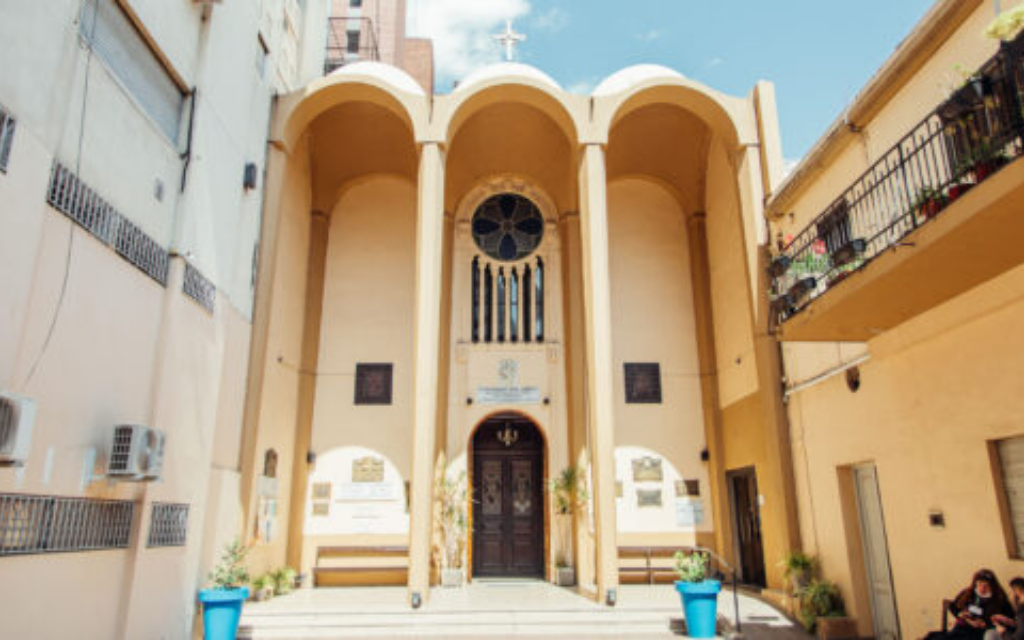
The Romanian Greek Catholic Church arose through the union of part of the Romanian Orthodox Church with Rome in the late 17th century. It suffered severe persecution under the communist regime, which declared it illegal shortly after coming to power in 1948 until its demise in 1989. Seven of its bishops, who died during the communist persecution, were beatified by Pope Francis in 2019.
Russian Greek Catholic Church
This Church of the Byzantine Rite consists of small communities that preserve the Russian liturgical tradition in communion with the Holy See. It originated in the early 20th century and endured terrible Soviet persecution. Currently, it lacks a fully developed hierarchy, and many of its faithful live in the diaspora.
Ruthenian Church
The Ruthenian Church has its roots in the Union of Uzhhorod of 1646 and is historically linked to the peoples of the Carpathians. It is present primarily in Slovakia, Ukraine, and the United States. In North America, it developed such a strong distinct identity that it has its own metropolitan see in Pittsburgh.
Slovak Greek Catholic Church
The Slovak Greek Catholic Church shares its origins with the Ruthenian tradition and was restored following the communist persecutions of the 20th century.
In 2008, it was elevated to the rank of a metropolitan "sui iuris" church. Among its best-known martyrs are Bishops Pavel Peter Gojdic and Vasil Hopko, canonized for their fidelity during the communist persecution.
Ukrainian Greek Catholic Church
The Ukrainian Greek Catholic Church is the largest of all the Eastern Catholic Churches. It originated with the Union of Brest in 1596 and endured intense persecution during the Soviet era.
It is led by a major archbishop based in Kyiv and has millions of faithful worldwide. For more than 40 years of communist persecution, it was the largest underground Catholic Church in the world.
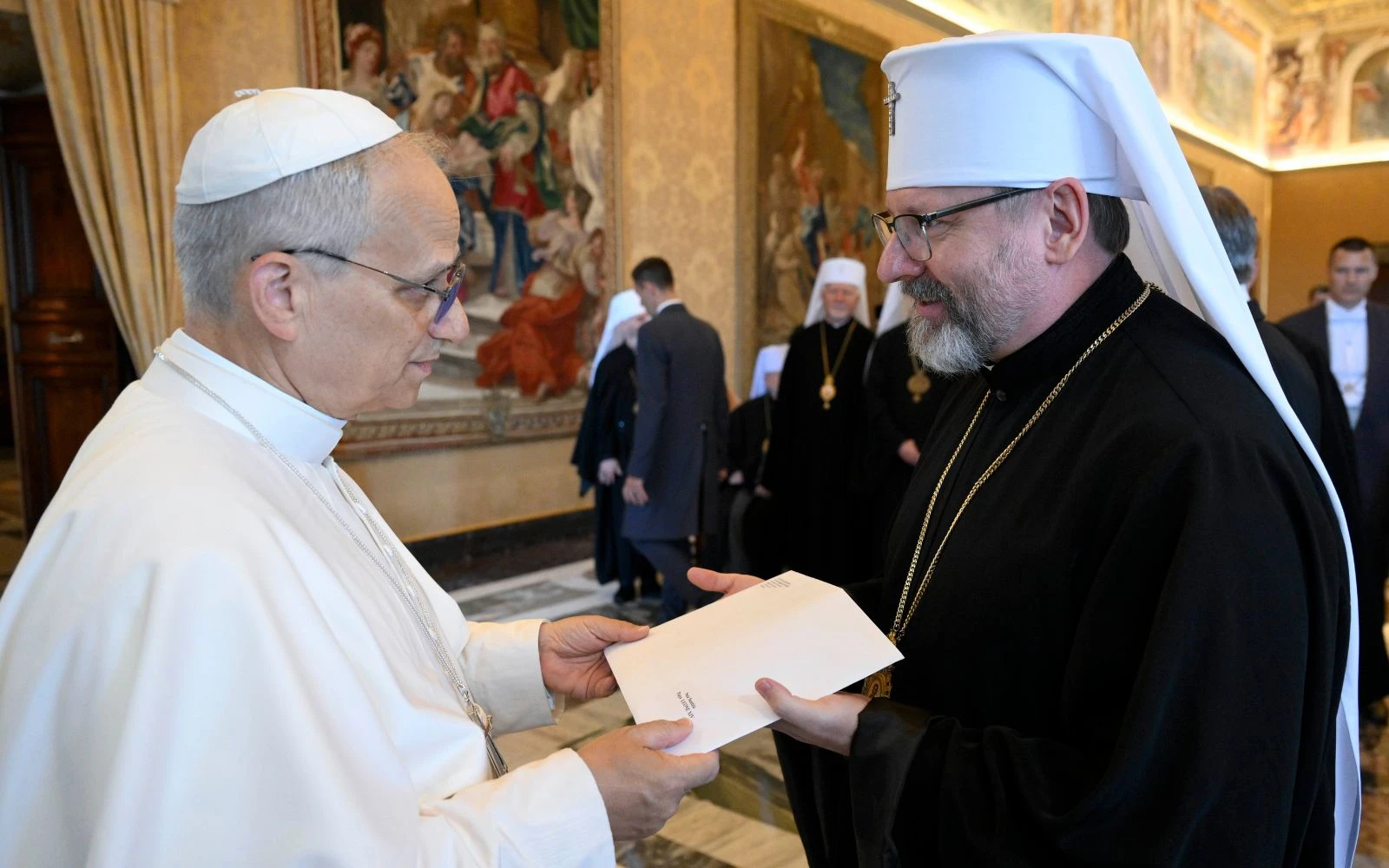
Croatian and Serbian Greek Catholic Church (Eparchy of Križevci)
The Eparchy of Križevci brings together Catholics of the Byzantine tradition from Croatia, Serbia, and other territories of the former Yugoslavia. Established in 1777, it serves the faithful of diverse ethnic and linguistic backgrounds.
Services in its parishes are celebrated in Croatian, Church Slavonic, Ruthenian, and other local languages, reflecting the cultural diversity of the Balkans.
This story was first published by ACI Prensa, the Spanish-language sister service of EWTN News. It has been translated and adapted by EWTN News English.