Religious tourism draws hundreds of millions of people to various sites each year, generating billions of dollars, and the Americas have some of the most frequently visited shrines and basilicas.
However, religious tourism is far from reaching its full potential, according to Adrián Lomello, director for the Americas of the World Religious Tourism Network. The situation, he said, represents an opportunity that the Church should not let slip by.
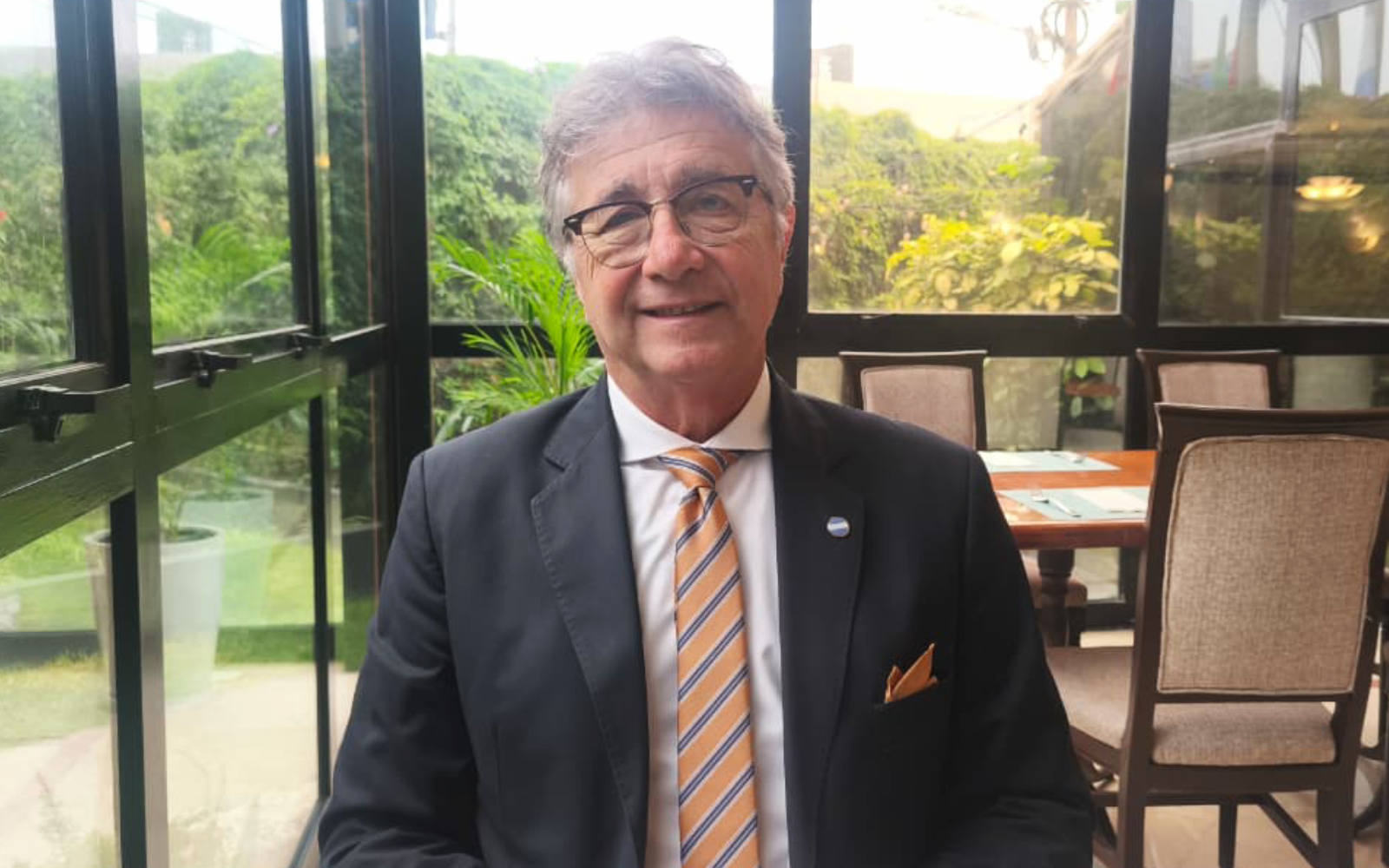
In an interview with ACI Prensa, the Spanish-language sister service of EWTN News, Lomello explained that while pilgrimages constitute a phenomenon that has existed for centuries, the question is what pilgrimage destinations effectively provide visitors and how such sites can be enhanced to better welcome pilgrims while maintaining the integrity of their religious identity.
A phenomenon that attracts millions
According to data from the World Religious Tourism Network, around 400 million people travel to faith-based destinations each year, accounting for approximately 20% of global tourism.
Pilgrimage tourism alone generates economic activity worth nearly $18 billion, according to the network.
Latin America in particular plays a significant role in this sector. The region receives around 80 million pilgrims annually, and the segment is seeing estimated yearly growth of between 6% and 8%, based on data from the World Religious Tourism Network.
A few examples illustrate?? the scale of the phenomenon.
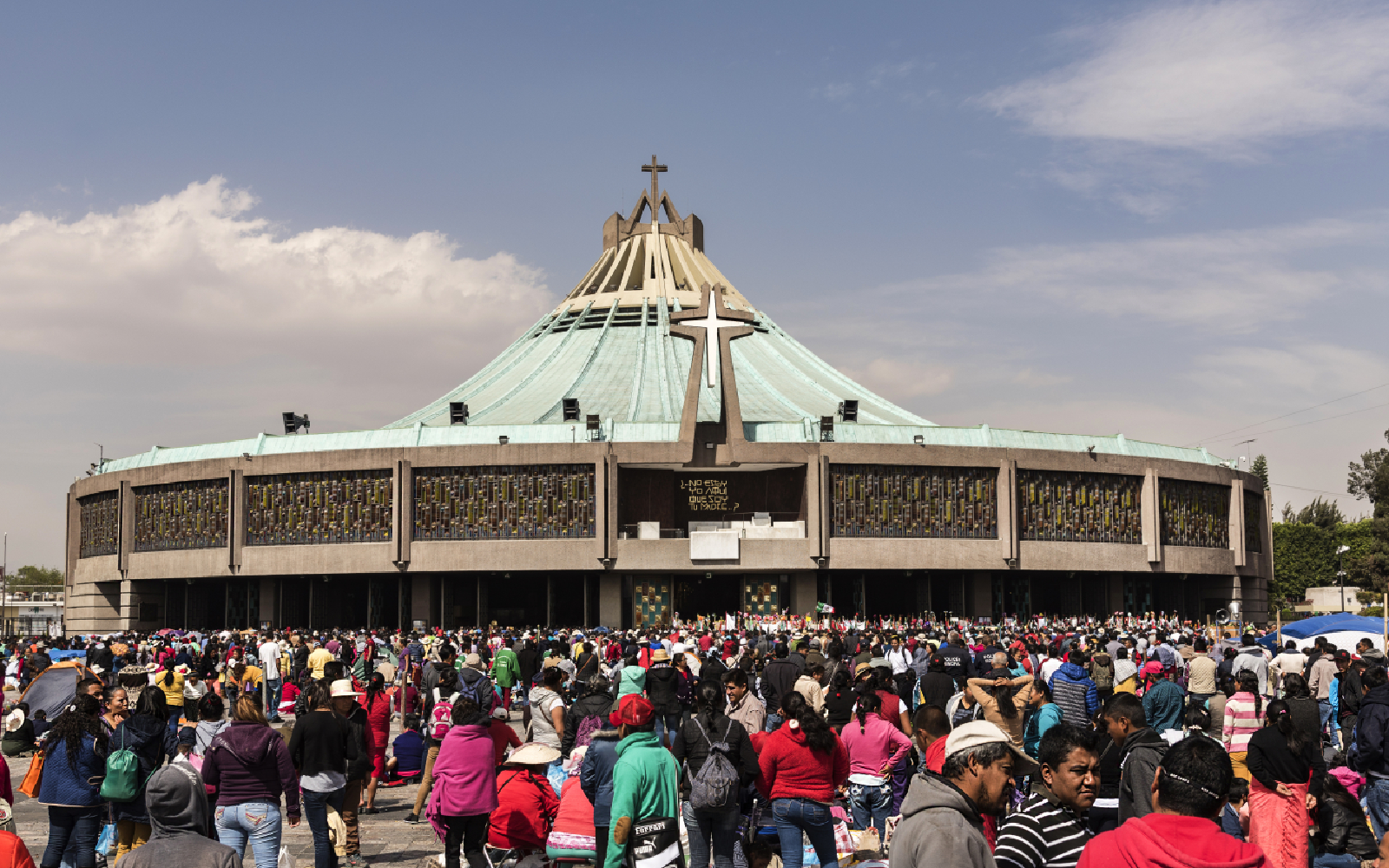
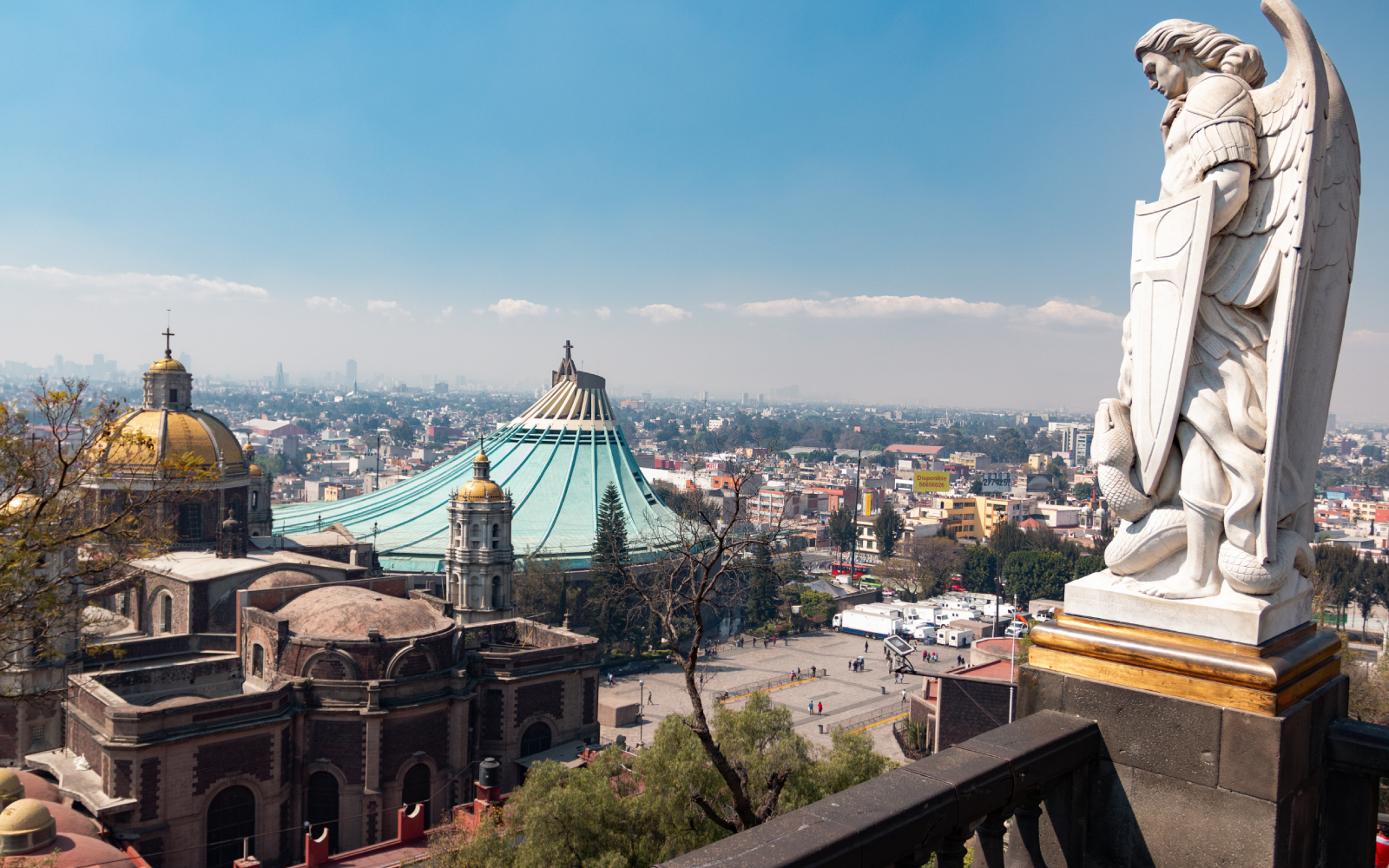
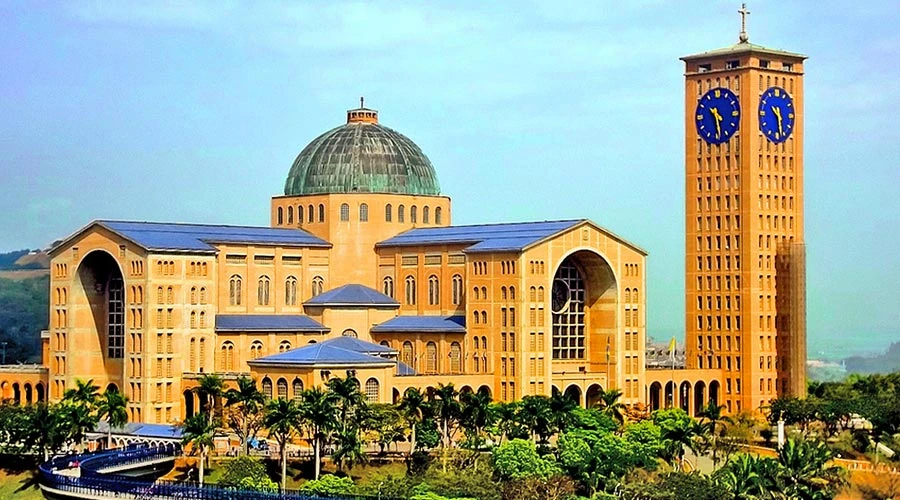
The Basilica of Our Lady of Guadalupe in Mexico, for example, receives nearly 22 million visitors each year. In Brazil, the National Shrine of Our Lady of Aparecida annually draws approximately 12 million pilgrims.
Another lesser-known example is La Tirana in northern Chile. During its religious celebrations, a town of about 1,500 inhabitants receives more than 150,000 pilgrims, coming mainly from Chile, Peru, and Bolivia.
"Regardless of how they are organized, those people will keep coming year after year because they are driven by a deep spiritual motivation," Lomello explained.
Latin America specifically has over 3,000 registered shrines, hundreds of pilgrimage routes, major religious celebrations, and a heritage built up over centuries.
However, that heritage is not always accompanied by the infrastructure, information, services, or policies needed to make the most of it.
"Today, it's an invisible sector. It goes unnoticed by churches, the public sector, and businesses alike," Lomello stated.
The specialist noted that dioceses tend to focus on maintaining their churches and carrying out pastoral work. Governments, meanwhile, address other needs, while businesses seek out commercial opportunities.
The result is a constant flow of pilgrims, yet often no one takes charge of organizing everything that happens around them.
"We have extraordinary resources, but a resource on its own does not create development. It must be transformed into a tourism product," he noted.
This does not mean turning a shrine into just another tourist attraction. It means, Lomello explained, "creating the conditions so that visitors can get around, find food, rest, explore the site, and understand its history."
Having a shrine is not enough
Lomello emphasized that a church, a basilica, or a pilgrimage with huge numbers of participants is not enough to build a religious tourism destination. "You need to have products; you need to develop products," he explained.
"The product consists of a narrative, a presence on social media, signage, adequate infrastructure, restrooms, good cuisine, the route itself, transportation, and communication," he replied.
For example, a person might visit a shrine to attend a celebration and return home shortly after. However, if the surrounding area offers museums, tourist routes, local cuisine, heritage sites, cultural activities, and other attractions to explore, the experience can be extended.
"This is what we want cities to do, offer other things: good cuisine, engaging activities, museums, and events," he stated.
The money doesn't just stay at the shrine
For Lomello, one of the advantages of religious tourism is precisely that the money can be distributed among various sectors of the community.
"The pilgrim arrives, spends money locally, buys handicrafts, stays overnight — perhaps an extra day — and visits a museum. The economic benefits spread throughout the entire community," he explained.
This can benefit hotels, restaurants, merchants, artisans, transportation providers, and other workers. It can also help preserve the churches and religious sites themselves.
"Religious tourism is not going to take away the Church's leading role, it is going to give it resources," he said.
However, Lomello emphasized that religious tourism cannot be reduced to an economic issue, since "the spiritual benefit is fundamental."
Religious tourism is not going to take away the Church's leading role, it is going to give it resources."
Adrián LomelloWorld Religious Tourism Network
A pilgrim who arrives at a shrine may be looking for more than just getting to know a place. He may want to pray, go to confession, attend a Mass, or simply reconnect with his faith.
"The impact of a good spiritual narrative is conversion. It's when someone, through religious tourism, arrives and is deeply moved by the story [behind the place] and the religious images, and asks for confession. That's conversion," he noted.
The Camino de Santiago model
One of the experiences that can serve as a model is the Camino de Santiago in Spain.
According to data shared by the network, the route welcomes around 530,000 pilgrims annually and generates an estimated annual economic impact of over $580 million, following decades of planning.
This comparison is of particular interest to Latin America, where there are numerous religious routes and destinations that attract large numbers of people but still lack planning.
"The difference lies not only in its heritage. It lies in policy decisions. Destinations that ignore their spiritual heritage are not making a cultural mistake; they are making a strategic economic development mistake," Lomello asserted.

'Lift up your gaze'
Lomello said he believes the Church has an important role to play in this process, but it cannot do it alone. Coordination is needed between dioceses, parishes, authorities, businessmen, and local communities.
Data is also needed. The region needs to know how many pilgrims it receives, where they come from, how long they stay, what services they use, and what their needs are.
The World Religious Tourism Network proposes, among other measures, doing market analysis, developing specific public policies, putting the destinations online, training those who work with pilgrims, and creating avenues for exchanging information among the various stakeholders.
For Lomello, the first step is to change the way the phenomenon is viewed.
"As the pope said in Spain: 'Lift up your gaze.' Lift up your gaze. Look at the religious tourism sector: an opportunity for development," he urged.
And that opportunity, he emphasized, should not be viewed as competing with the Church's mission.
"This is a time to lift up our gaze, to say: 'Ladies and gentlemen, there is an opportunity here.' Let us all work together, because this is for the benefit of all," he affirmed.
Top 10 destinations in Latin America
According to data compiled by the World Religious Tourism Network, these are the top 10 religious destinations and celebrations in Latin America, Central America, and the Caribbean, ranked by estimated annual visitor numbers:
1. Mexico — Basilica of Our Lady of Guadalupe: 20 million
2. Brazil — Shrine of Our Lady of Aparecida: 12 million
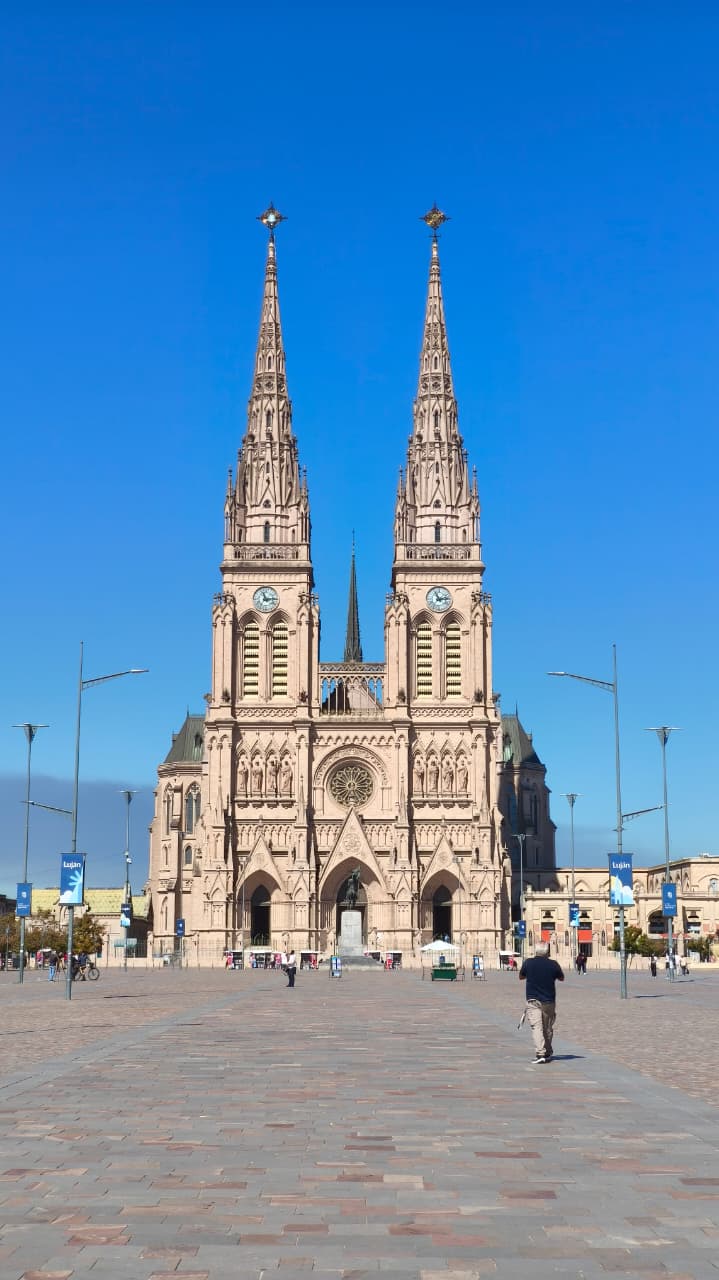
3. Argentina — Shrine of Our Lady of Luján: 10 million
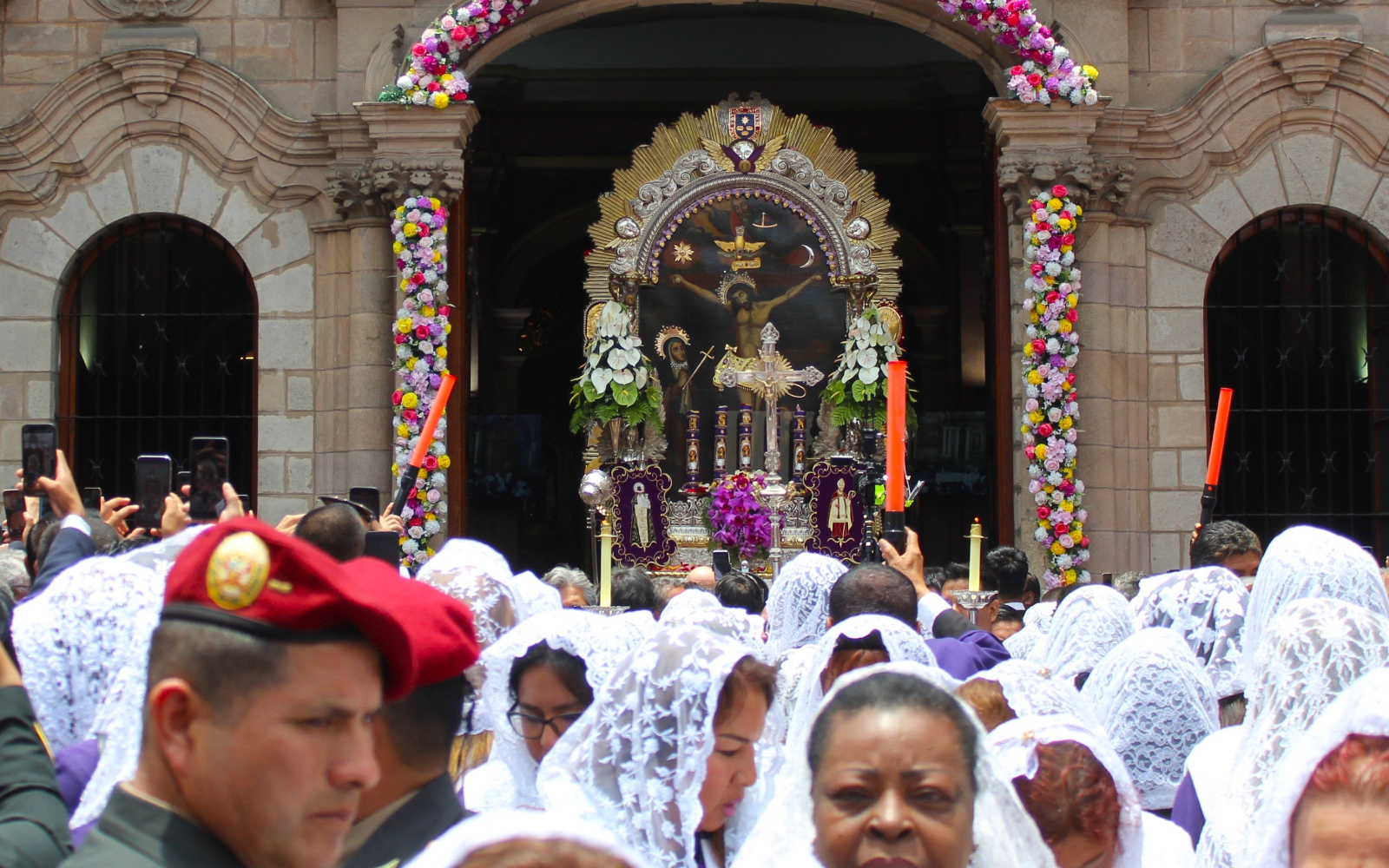
4. Peru — Shrine of the Lord of Miracles: 5 million
5. Colombia — Shrine of Our Lady of the Rosary of Chiquinquirá: 4 million
6. Guatemala — Basilica of Our Lady of the Rosary: ??3.5 million
7. Ecuador — Shrine of Our Lady of El Quinche: 2.5 million
8. Venezuela — Basilica of Our Lady of Coromoto: 2 million
9. Chile — Shrine of the Virgin of Lo Vásquez: 1.5 million
10. Dominican Republic — Basilica of Our Lady of Altagracia: 1.5 million
This story was first published by ACI Prensa, the Spanish-language sister service of EWTN News. It has been translated and adapted by EWTN News English.