Monsignor Hugues de Woillemont, director general of the French organization L'Œuvre d'Orient, said that Eastern Christians, especially Christians in the Holy Land, are facing existential challenges that threaten their historic presence. Chief among these challenges, he said, are migration, the pressure of economic crises, and war.
The head of the social and humanitarian association told EWTN News on the occasion of its 170th anniversary that the organization was founded in 1856 under the name "Œuvre des Écoles d'Orient," or "Work of the Schools of the East." From the beginning, he said, it was built on the conviction that "the formation of minds is the first act of solidarity."
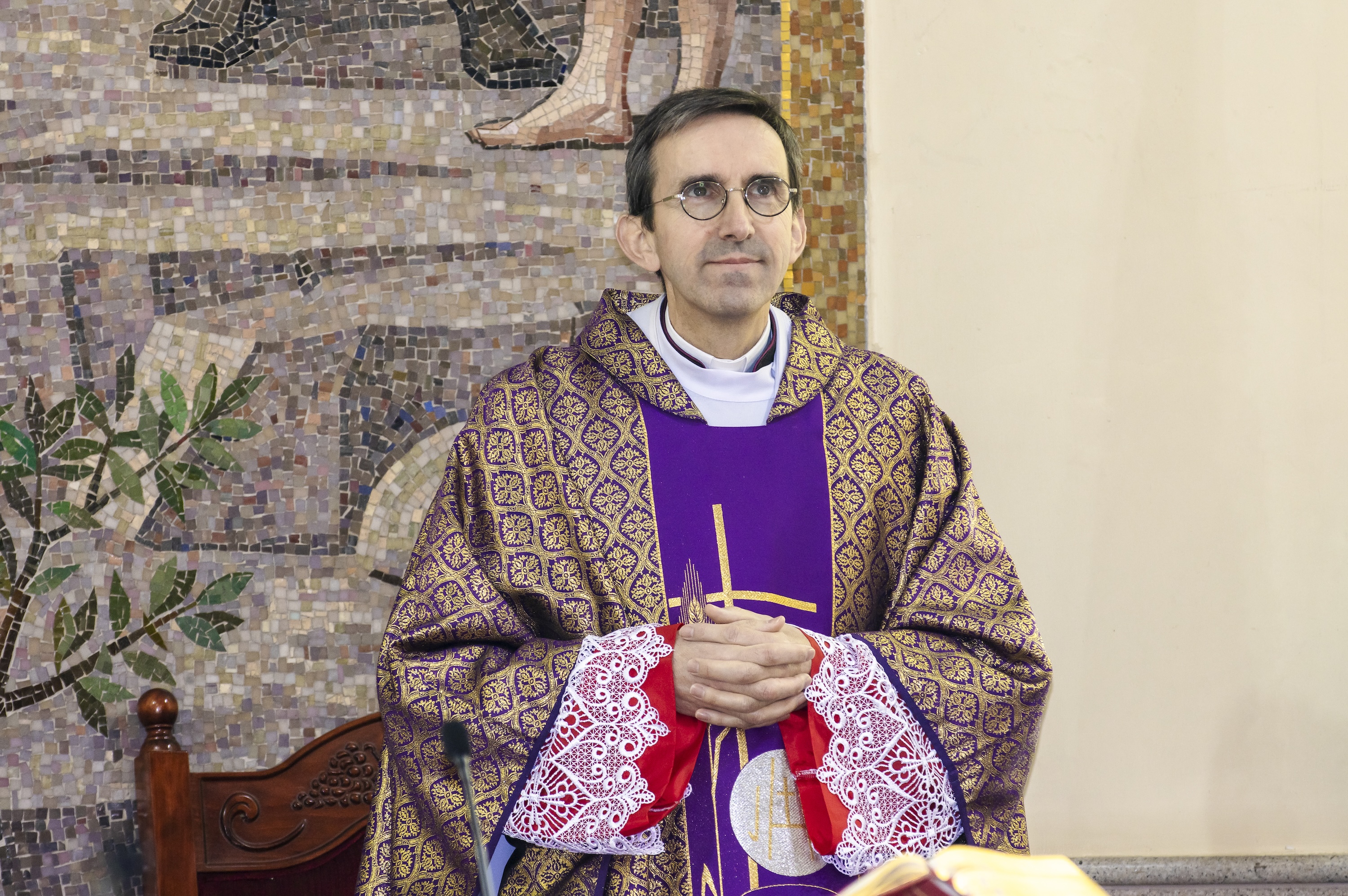
Since then, the organization has expanded its mission to include education, healthcare, social assistance, humanitarian relief, and the preservation of both tangible and intangible heritage, which he described as "the living memory of Christian communities in the East."
Building on this legacy, he explained that the organization has developed "an organized field presence through local offices and young volunteers." This presence, he said, aims to "bring the voice of Eastern Christians to decision-makers in Europe and at the level of international institutions," helping to strengthen their historic presence and safeguard their future in their homelands.
The challenge of migration
Speaking about the main challenges facing Eastern Christians today, de Woillemont said the current situation "is a cause for deep concern." Political, economic, and military crises, he explained, "weaken entire societies," while Christians often bear these consequences in a particularly heavy way."
"The greatest challenge today is migration," he said. "In several countries, ancient communities face the risk of disappearance because of the lack of economic and security prospects."
Despite this, he emphasized that "Eastern Christians continue to play their role as makers of peace and dialogue in extremely difficult circumstances, even though they are facing wars they did not choose."
Education, he added, remains "at the heart of our commitment because it helps build stable societies and limits migration." He noted that "behind every school that opens or clinic that receives support, there is a family choosing to stay and remain rooted in its land."
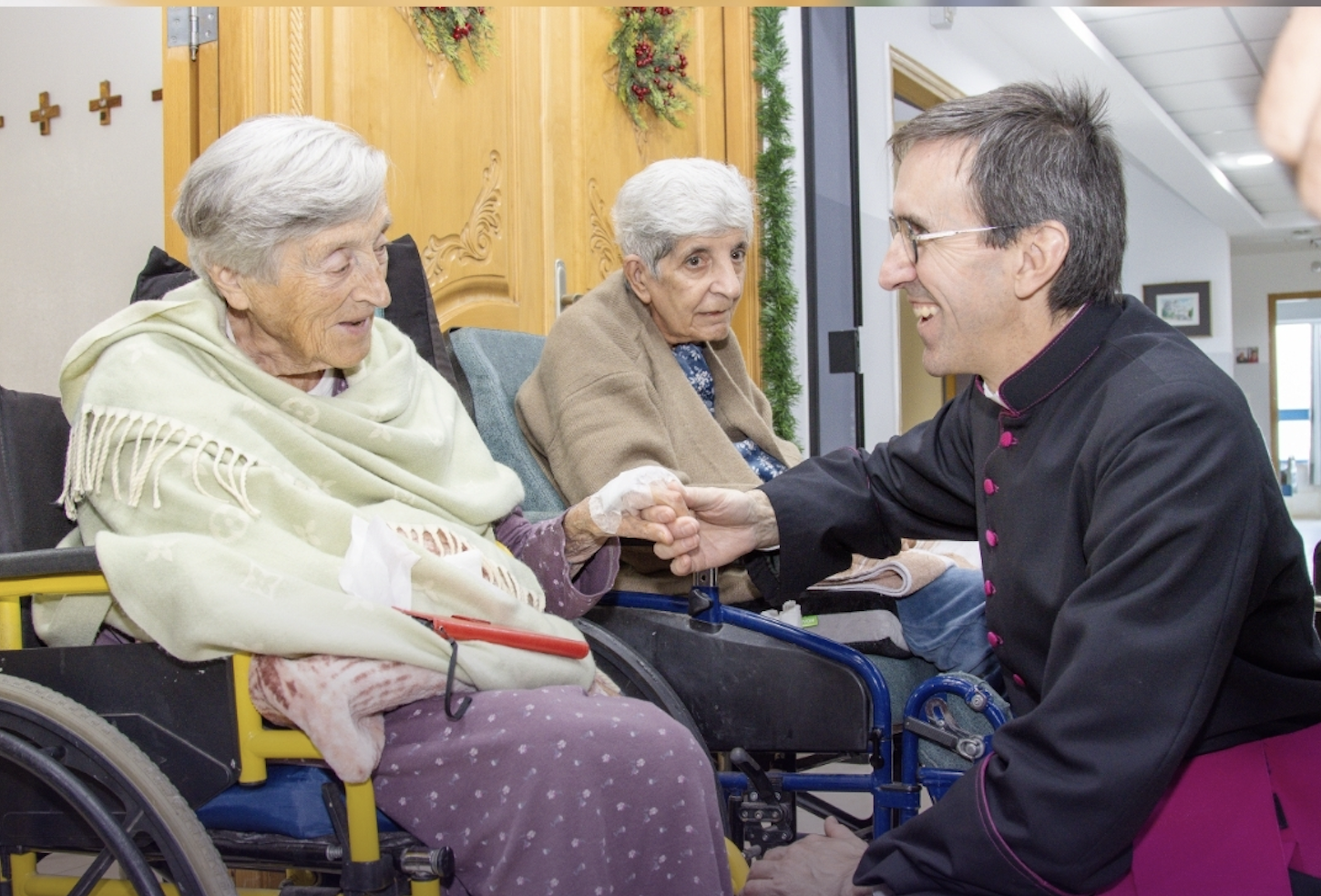
De Woillemont said the organization's work has also expanded to include healthcare and social assistance, "especially amid the weakness of public systems," as well as emergency humanitarian relief in times of war and disaster. He also underlined that preserving heritage is a central part of the organization's mission, because "it is not only about buildings but about the living memory of entire civilizations."
As part of his appeal for solidarity, de Woillemont addressed Christians in Europe and the United States, saying: "Eastern Christians are not only communities that suffer; they are a richness for the whole Church."
"Prayer is essential," he added, "but it must be accompanied by concrete solidarity," including support for educational, healthcare, and social projects, as well as efforts to make their reality known to the wider public.
He also called for a better understanding of Eastern Christians within Western societies and for greater advocacy with decision-makers, noting that "action by the international community can make a real difference."
De Woillemont highlighted the importance of building direct relationships through volunteering and twinning initiatives, saying that such experiences "leave a deep impact on the young people who take part in them."
Looking ahead, he said three major challenges are emerging: the acceleration of migration, the preservation of education and heritage in conflict zones, and the difficulty of mobilizing resources amid multiple crises and declining international attention."
It is becoming difficult to maintain sustained attention and mobilize the necessary resources," he said, adding that this requires broadening the support base and strengthening awareness efforts.
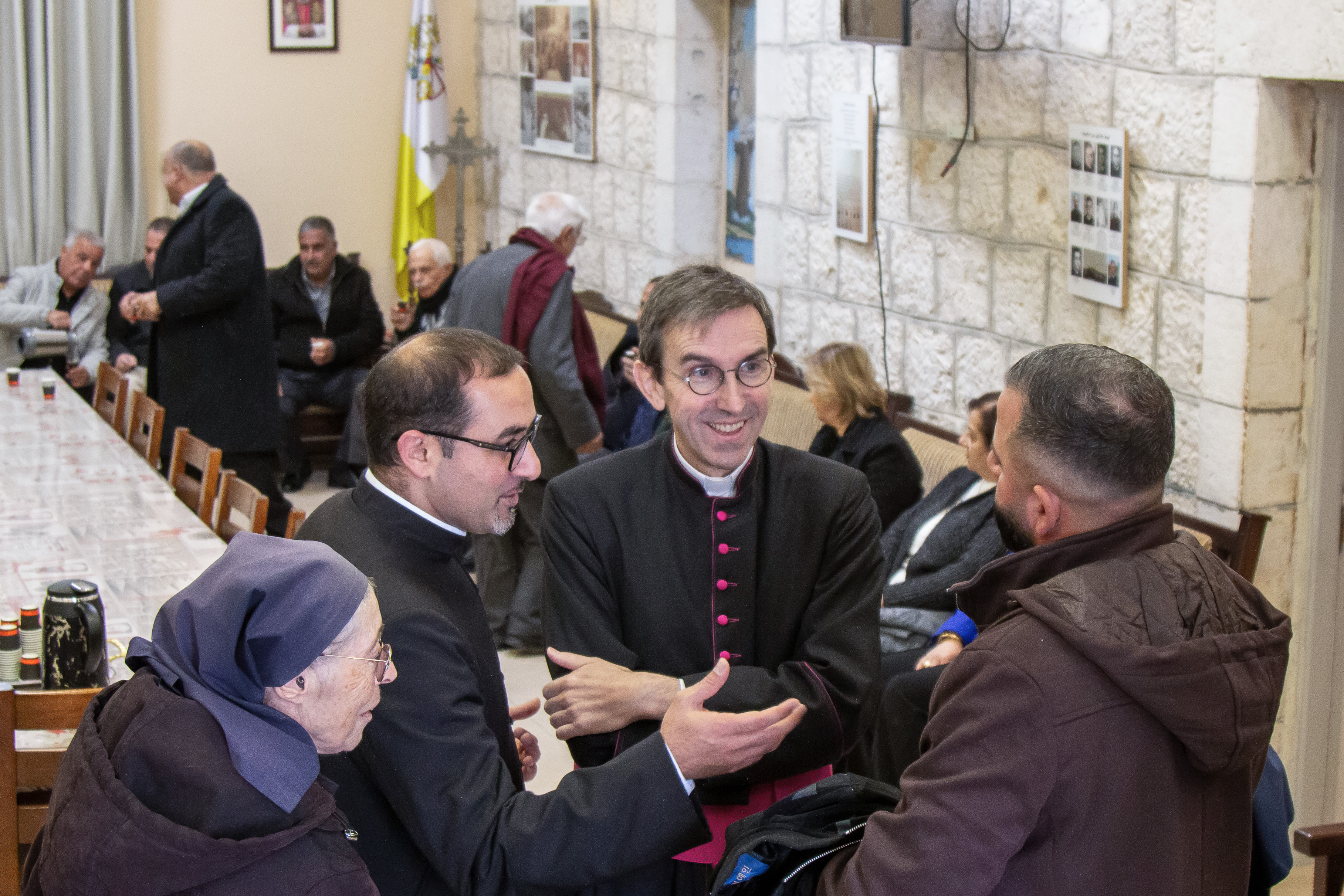
At the conclusion of his remarks, de Woillemont expressed "deep appreciation and lasting closeness" to Eastern Christians, saying that "their fidelity, courage, and hope are a witness for the whole Church."
He stressed that their presence "is essential in their countries," adding: "They are not only heirs to history but also bearers of the future."
In this context, he recalled Pope Leo XIV's call for "a peace that is disarmed and disarming, humble and persevering," emphasizing that such peace must be based on respect for the sovereignty of states and international law."
Let them know that we are at their side for the long term, with determination and trust," he concluded. "We do not forget them, and we remain beside them."
This story was first published by ACI MENA, the Arabic-language sister service of EWTN News. It has been translated and adapted by EWTN News English.