Citing priest shortages and a dwindling Catholic population, the Diocese of Saint Cloud in central Minnesota is merging 131 parishes into 48 parish groups.
The merger, reportedly the most drastic reduction of Catholic parishes in Minnesota history, will affect many parishioners in the area.
The diocese has only 62 priests for its original 131 parishes. While across the U.S., the ratio of priest to parish is 1:1, in Saint Cloud, it is 1:2.4, according to the diocese's numbers.
The Diocese of Saint Cloud is home to about 120,000 Catholics and spans 16 counties in central Minnesota. As a reference point, the Archdiocese of Washington, D.C., is home to five times as many Catholics and has 140 parishes. The Diocese of Phoenix — one of the fastest-growing dioceses in the U.S. — has 94 parishes and 2 million Catholics.
Similar restructuring has taken place in other U.S. dioceses, both large and small, including in the archdioceses of Dubuque, Iowa; St. Louis; Detroit; and Seattle.
Bishop Patrick Neary, who took leadership partway through the planning of the reorganization in 2023, said the reorganization "is rooted in a desire to strengthen the mission of our parishes and to ensure that our diocese remains vibrant and sustainable for generations to come."
"This moment invites us to look honestly at our realities, our demographics, our resources, and the needs of our people — and to respond with faith, creativity, and courage," Neary told EWTN News.
Brenda Kresky, director of pastoral planning for the Diocese of Saint Cloud, said there are "many factors that are prompting a restructuring process." Namely, she cited declining Catholic attendance, financial sustainability concerns, and a lack of priests.
While the population in the Diocese of Saint Cloud has grown by 7% since 2019, the number of Catholic parishioners in the diocese has decreased by nearly the same percentage.
Mass attendance, weddings, baptisms, first Communions, and confirmations have all declined significantly since 2010, according to the diocese's numbers.
"Four out of 5 parishes are operating with a consistent budget deficit from annual giving," Kresky noted.
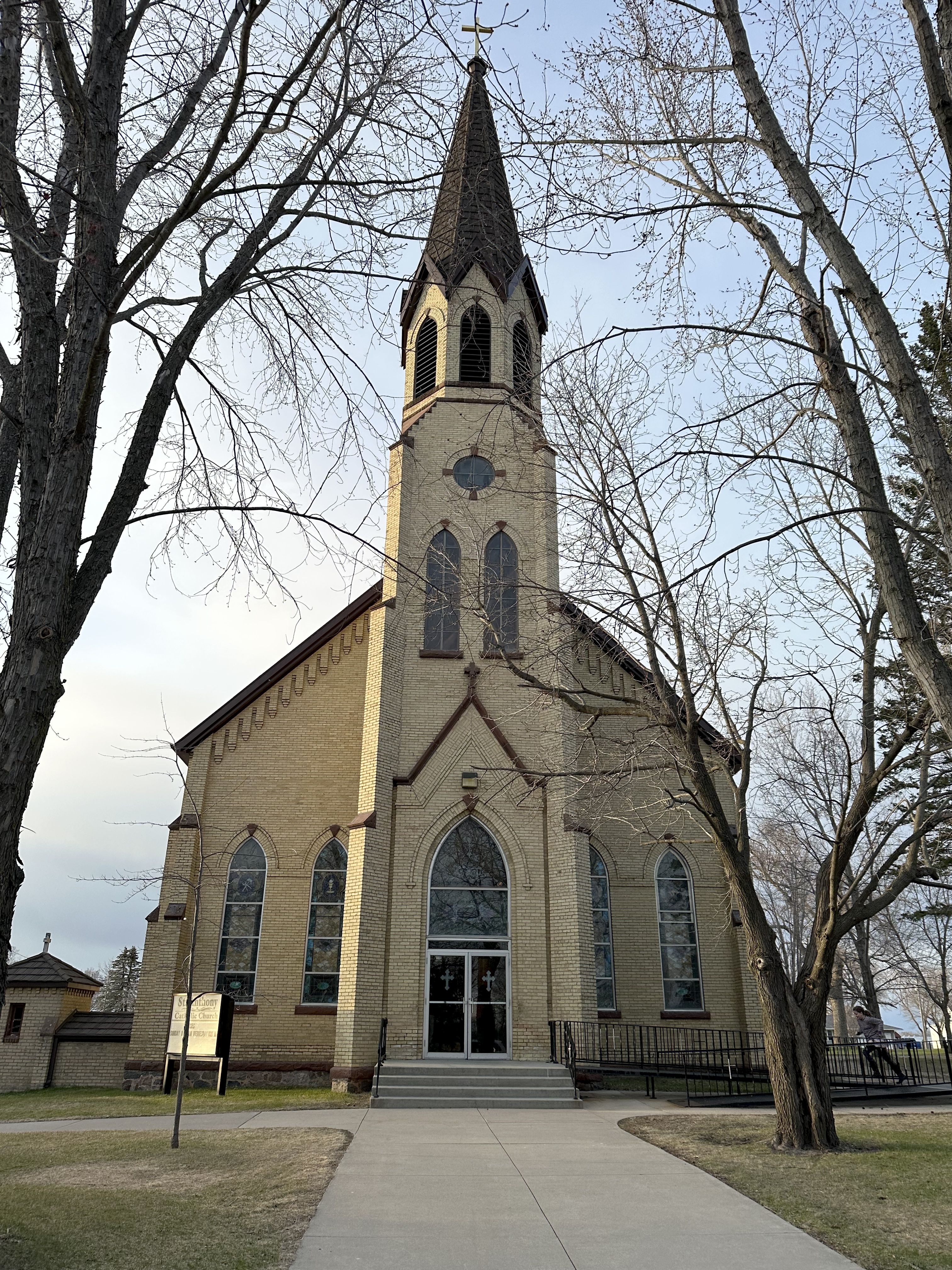
Why are there fewer active Catholic parishioners?
Kresky noted that "there are many interconnected reasons for the decline in Catholic participation."
At a parish level, there are "challenges around engagement," Kresky said.
"In our largely rural diocese, many communities are small and deeply rooted, which is a great strength, but can also make it difficult for newcomers or younger families to feel fully included," Kresky said. "Change can be hard, especially when long-held traditions and roles are closely tied to personal identity and resistance to new approaches can unintentionally create barriers that leave some feeling disconnected from parish life."
She also noted that "many rural areas across the diocese are seeing population decline and aging communities as people move toward urban centers."
"At the same time, families are smaller than in past generations, which has a long-term impact on parish participation and vitality," Kresky noted.
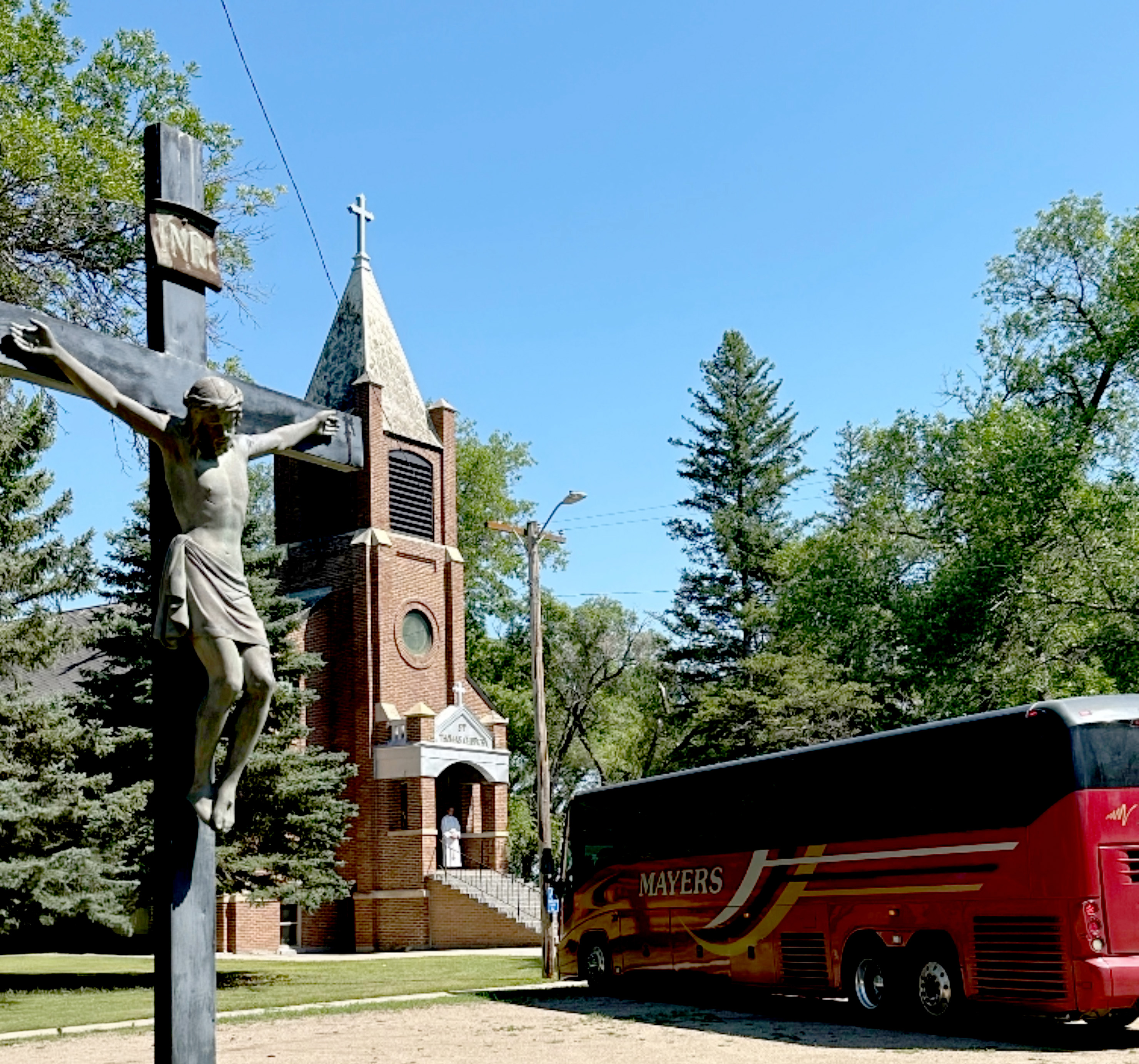
"Some Catholics are turning to other Christian communities that emphasize strong relationships, engaging worship, and openness about faith," Kresky said. "This shift highlights a broader desire for meaningful community and relevant faith experiences, prompting many Catholic parishes to examine how they connect with and engage people today."
"Many of these trends reflected across the Diocese of Saint Cloud are also seen across the country," Kresky said.
"Broader cultural shifts have played a role as society has become increasingly secular; many people no longer see organized religion as central or necessary in their lives," Kresky said. "We see a rise in those who describe themselves as 'spiritual but not religious,' along with a gradual erosion of faith practice and a perception that the Church is less relevant to daily life than it once was."
Kresky also noted "the lasting impact of the clergy sexual abuse crisis," citing abuse claims in the Diocese of Saint Cloud.
"The abuse itself, as well as failures in leadership and accountability, deeply damaged trust in the Church," Kresky said. "Our diocese entered bankruptcy proceedings in 2020 related to more than 70 abuse claims, and the consequences of that history continue to affect participation, confidence, and engagement today."
Kresky also cited a "growing disconnect between some Catholics and Church teaching."
"For a variety of reasons, individuals may struggle with or disagree with teachings on issues such as marriage, sexuality, social questions, or family life," Kresky said. "In many cases, people drift away quietly, sometimes due to disagreement and sometimes due to misunderstanding or lack of formation around what the Church teaches and why."
A December 2025 Pew Research study found that leading reasons for U.S. adults leaving the Catholic Church included not believing in the Church's teaching, scandals involving religious leaders, and being unhappy with teachings on social and political issues.
Other top reasons U.S. adults cited were that the faith was simply not important to their own lives, or their spiritual needs were not being met.
Pew Research also found that Gen Z is the least church-attending generation in American history, with only 17% attending weekly.
How is the Church responding?
The Diocese of Saint Cloud's response is more than just merging parishes, according to Kresky.
The merger is a part of a larger pastoral planning initiative named "All Things New."
"While restructuring is one visible outcome of the process, the broader goal is renewal — strengthening parish life by helping communities focus more intentionally on evangelization, discipleship, leadership development, and stewardship," Kresky said.
The parish merges is a major step in an initiative that began more than a decade ago.
The bishop will lead a diocesan-wide prayer service on Sunday, May 3, at 7 p.m. local time to pray for unity for the newly-merged parishes, according to the pastoral planning website.
"My hope is that this process will renew our sense of unity and deepen our commitment to being a missionary Church," Neary said.

"I believe the Holy Spirit is guiding us toward a future where our communities are more connected, our ministries more focused, and our parishes better equipped to form disciples," Neary continued.
The diocese hopes to "help parishes move from a mindset of simply maintaining aging structures to becoming vibrant centers of faith where people are welcomed, accompanied, formed, and sent forth in mission," according to Kresky.
"This includes supporting parishes in developing stronger leadership teams, fostering collaboration across churches, and using resources — human, spiritual, and financial — more effectively so ministry can flourish rather than merely survive," Kresky said.
"Our hope is that, through this pastoral process, parish life will become more sustainable, more welcoming, and more mission-focused," Kresky said.

"While the process includes difficult decisions and real experiences of loss, the diocese's long-term vision is one of hope: that the Church in central Minnesota will be well positioned to serve future generations with vitality, authenticity, and faithfulness to the Gospel," Kresky said.
"While change is never easy, I am confident that God is doing something new in our midst, and I am grateful for the openness and trust our people have shown as we walk this path together," Neary added.