The 1941 Sikorski-Mayski agreement between the Soviet Union and Poland resulted in the release of tens of thousands of Polish prisoners of war held in the Gulag and other Soviet camps. Their number included thousands of displaced children, many of whom were orphans. No one wanted these children; they couldn't return to Nazi-occupied Poland, and the Soviet Union didn't want them. Thanks to one man from a small princely state in India, their future became secured.
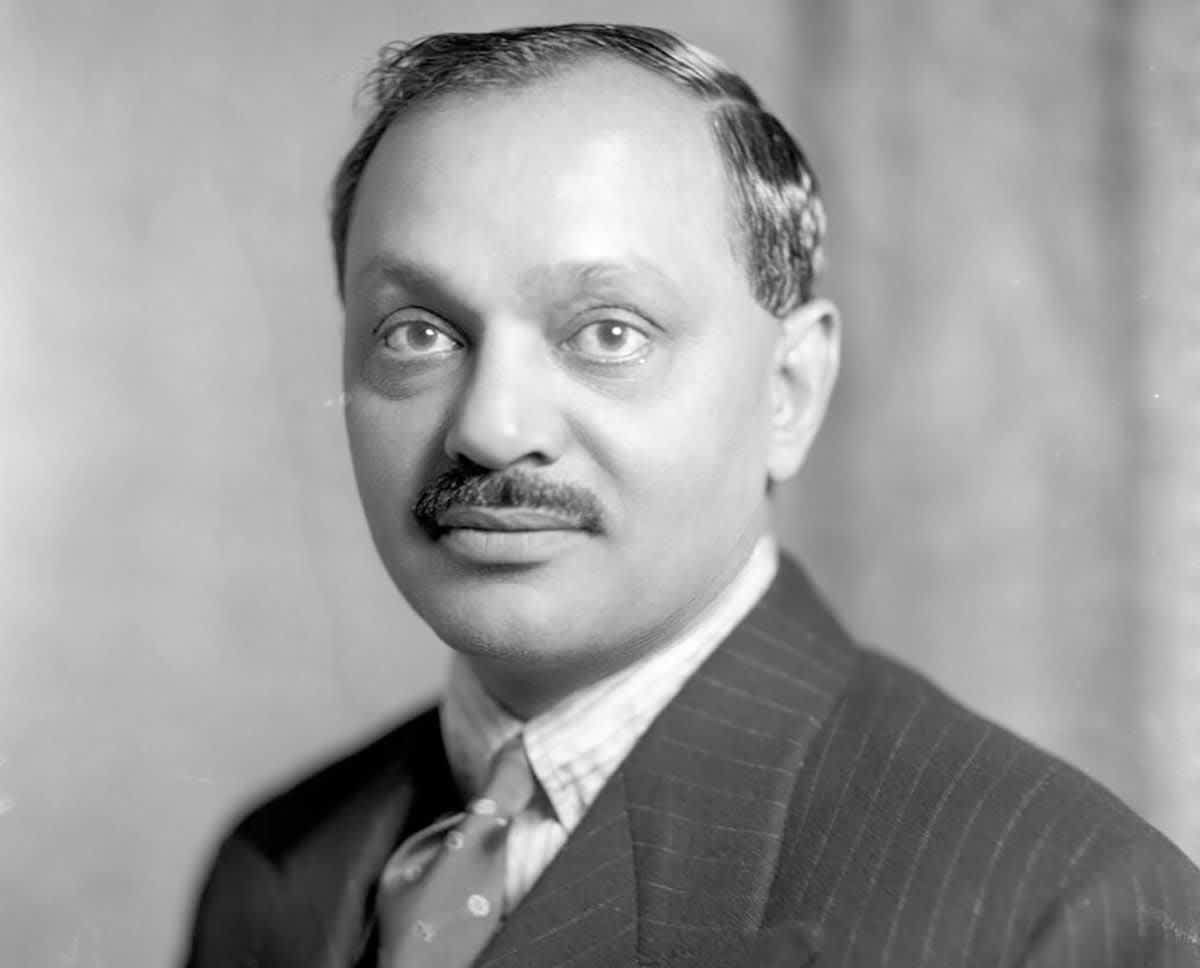
The unexpected intervention of Jam Sahib Digvijaysinhji, the maharaja of Nawanagar, known as "the Good Maharaja," provided these children a home in his personal estate at Balachadi.
Digvijaysinhji had been educated at Malvern College in England and was part of Winston Churchill's Imperial War Cabinet.
"He was an extraordinary man, and to the Polish people, he became a national hero ... an Indian Oskar Schindler," former Malvern College teacher and housemaster Andrew Murtagh wrote of Digvijaysinhji.
Father Piotr Wisniowski, chaplain of EWTN Poland, told EWTN News: "The Good Maharaja, Jam Sahib Digvijaysinhji, wrote himself into history through extraordinary humanity. When he welcomed Polish orphans to Balachadi, he said: 'You are no longer refugees. From today, you are the children of Nawanagar, and I am your Bapu — your father.' These words were not a public-relations gesture but a pledge to take responsibility for the most vulnerable."
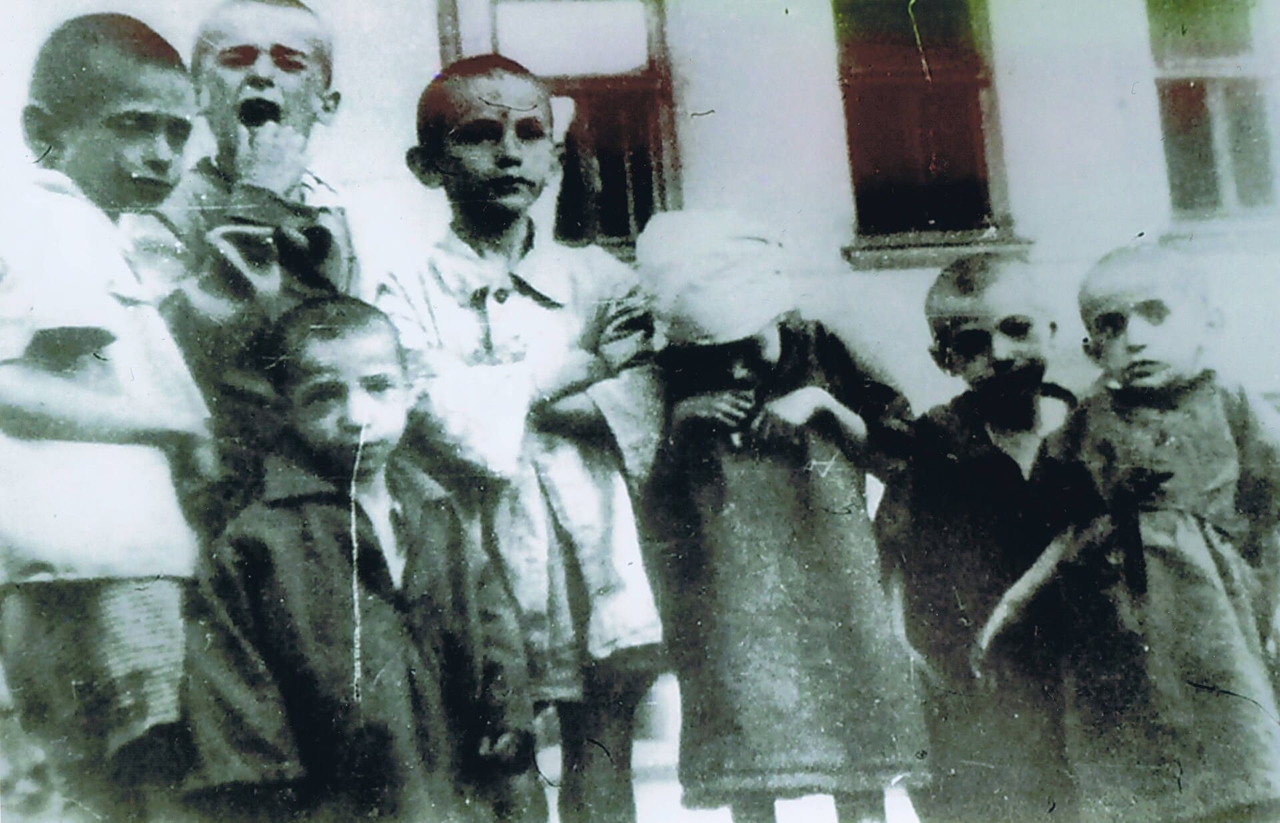
The Poles amnestied by Stalin following the Sikorski-Mayski agreement formed the 40,000-strong Anders Army, which played a vital role in Allied war efforts. But the Polish children — Catholic and Jewish, many of whom were orphaned or had lost a parent — were the unwanted detritus of war. They had been detained in camps and temporary orphanages, often left to die of illness or starvation. Many were sons and daughters of the estimated 22,000 Polish soldiers and civilians murdered by Soviet forces in the Katyn Woods massacre.
Responsibility for this humanitarian catastrophe shifted to the Polish government in exile and to British government officials. Many nations were unwilling to offer shelter to the children. The agreed-upon solution was to relocate the refugees to India.
Digvijaysinhji moved quickly to alleviate the humanitarian crisis. His state was the first to host 500 Polish children. Other Indian states followed his kindness.
"After 1941, when Polish refugees were freed from Soviet captivity, Poland was a nation devastated by war, unable to care even for its own children," Wisniowski told EWTN News. "The maharaja understood that tragedy and said, 'If God has sent me these children, it is my duty to care for them.' That is why Poland remains grateful to him — for lives saved, dignity restored, and for the witness that mercy knows no borders of nations or cultures."
At first, foster homes were suggested, but the Polish government was opposed to separating the already traumatized children. Other options, such as schools and convents, proved unworkable. The viceroy of India set up The Polish Children's Fund, supported by the archbishop of Delhi and the mother superior of the Convent of Jesus and Mary. The group raised funds among private donors including the Tata family.
Anuradha Bhattacharjee in "The Second Homeland: Polish Refugees in India" explains how India — though not sovereign at the time and not at all prosperous — became the first country in the world to accept and offer sanctuary at its own cost to the hapless Polish population rendered homeless and subsequently stateless.
"The first Polish children were hosted in Balachadi in Nawanagar state and were maintained by charitable funds raised in India, subscribed to by several Indian princes and wealthy individuals. They were settled at a camp near Balachadi when no place for the children could be found in the whole of British India. The state of Nawanagar took the bold step of adopting the children to prevent their forcible repatriation to Soviet-occupied Poland at the end of the second world war."
By December 1942, around 640 children had made the 1,500-kilometer (932-mile) arduous journey in trucks from Ashgabat in Turkmenistan to Balachadi. According to accounts, they were extremely thin and miserable, their clothes hanging about their frames, and this was after having already been fed for a few months.
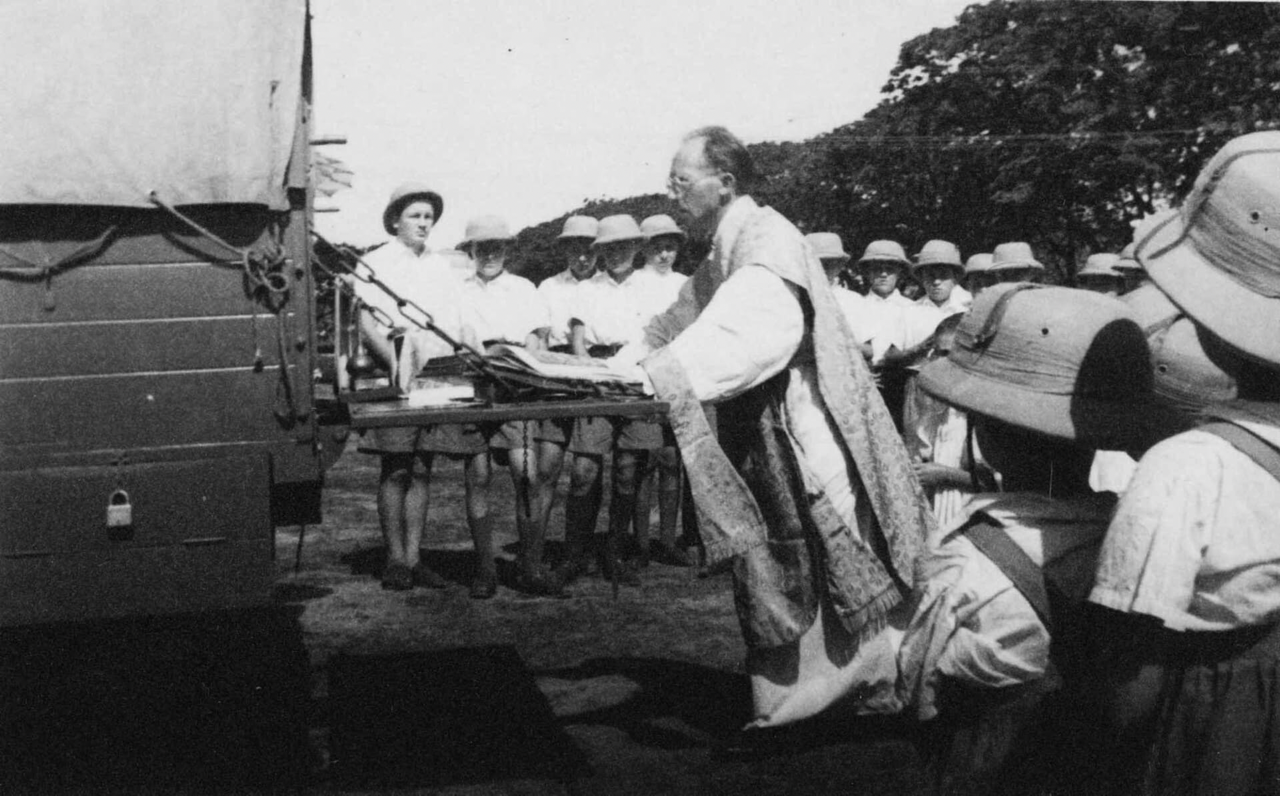
Digvijaysinhji converted the guesthouse of his Balachadi palace into a school with a special library shelved with Polish books. The children often put on plays with Digvijaysinhji in attendance. Among their Polish caregivers were Father Franciszek Pluta, who was later denounced by the communists as an international kidnapper after relocating some of the children to the United States, as well as scoutmaster Zdzislaw Peszkowski, a survivor of the Katyn Woods massacre who was ordained a priest after World War II.
Peszkowski campaigned for the truth about Katyn for the rest of his life and was a contemporary and close associate of St. John Paul II.
In the camp the children enjoyed the outdoor life, the beach, and the climate. They camped and played soccer, hockey, and volleyball.
At the end of the war, many children feared living under communist rule, having suffered deportation to Siberia from the Soviet regime. Only those children who wanted to return to Poland were required to go back. Eighty-one children were relocated to the United States to build new lives there with the help of Catholic missionaries. Twelve Jewish children were relocated to Haifa in 1943.
In 1989, following the fall of communism in Poland, the kindness and generosity of Digvijaysinhji was formally recognized by the Polish government. In 2012, a park in Warsaw was named the "Square of the Good Maharaja" and a monument was erected. He was also posthumously given the Commander's Cross of the Order of Merit of the Republic of Poland.