"Catholics of the Byzantine tradition are one of the various Churches that exist in the Christian East," explained Bishop Manuel Nin Güell, who was recently appointed by Pope Leo XIV as the new apostolic exarch of Santa Maria di Grottaferrata Monastery.
The Catholic Encyclopedia explains that "in Eastern Christendom an exarch is a bishop who holds a place between that of patriarch and that of ordinary metropolitan."
In an interview with ACI Prensa, the Spanish-language sister service of EWTN News, the prelate explained that the Byzantine Church developed in the context of the Byzantine Empire and the Greek language, having its own spiritual and liturgical tradition that over time adapted to multiple languages. Today, he noted, this heritage is lived in different parts of the world and, in the case of Byzantine Catholics, in full communion with the bishop of Rome.
These Catholics who live "the theology, spirituality, and liturgy of the Byzantine tradition are in full communion with the pope," Nin summarized.
Communion restored after the schism
The exarch noted that the rupture between Constantinople and Rome in 1054 profoundly impacted Christian history. However, since the 15th century, various groups of Byzantine tradition have reestablished full communion with the pope in regions such as Lebanon, Syria, and Central Europe.
He explained that the essential difference between Eastern Catholics and Eastern Orthodox today is "communion — or lack thereof — with the bishop of Rome," even though they share liturgy, theology, and spirituality.
The significance of Grottaferrata
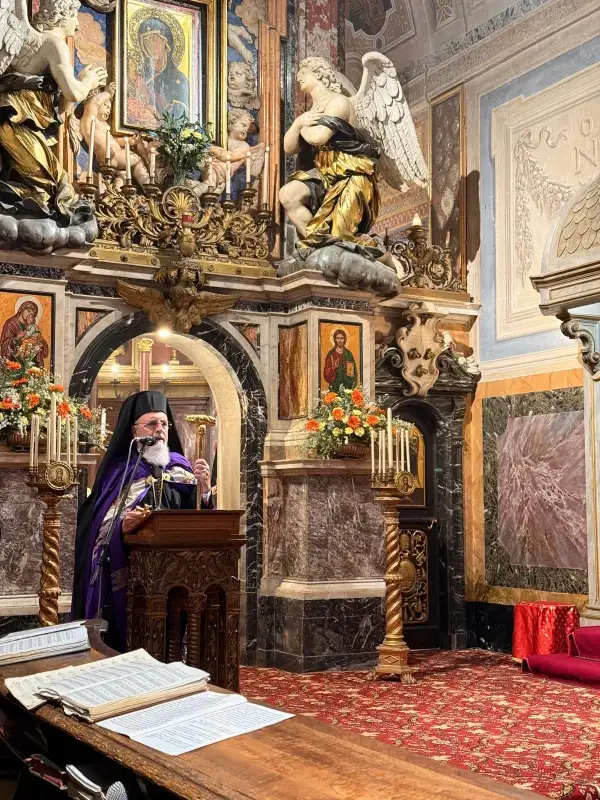
It is within this historical and ecclesial context that the monastery of Santa Maria di Grottaferrata was founded by St. Nilus of Rossano in 1004, 50 years before the East-West Schism.
"This place can facilitate dialogue with the non-Catholic Eastern Churches. I am convinced that it is a place where this dialogue can be resumed," the new exarch stated.
The abbey, located about 18 highway miles from Rome and without an abbot since 2013 until Nin's recent appointment, has been for centuries a point of reference for the Byzantine rite in communion with the Holy See.
The prelate, a Benedictine monk who received his formation at Montserrat in Catalonia, Spain, has dedicated much of his life to the study and spreading of Eastern Christianity. A specialist in Syriac and Greek patristics, he has worked with ancient manuscripts at institutions such as the British Library in London.
For 17 years, he was rector of the Pontifical Greek College in Rome, providing formation for dozens of Eastern Catholic seminarians, and he collaborated for over a decade with the L'Osservatore Romano newspaper on articles for which Benedict XVI and Pope Francis expressed their appreciation.
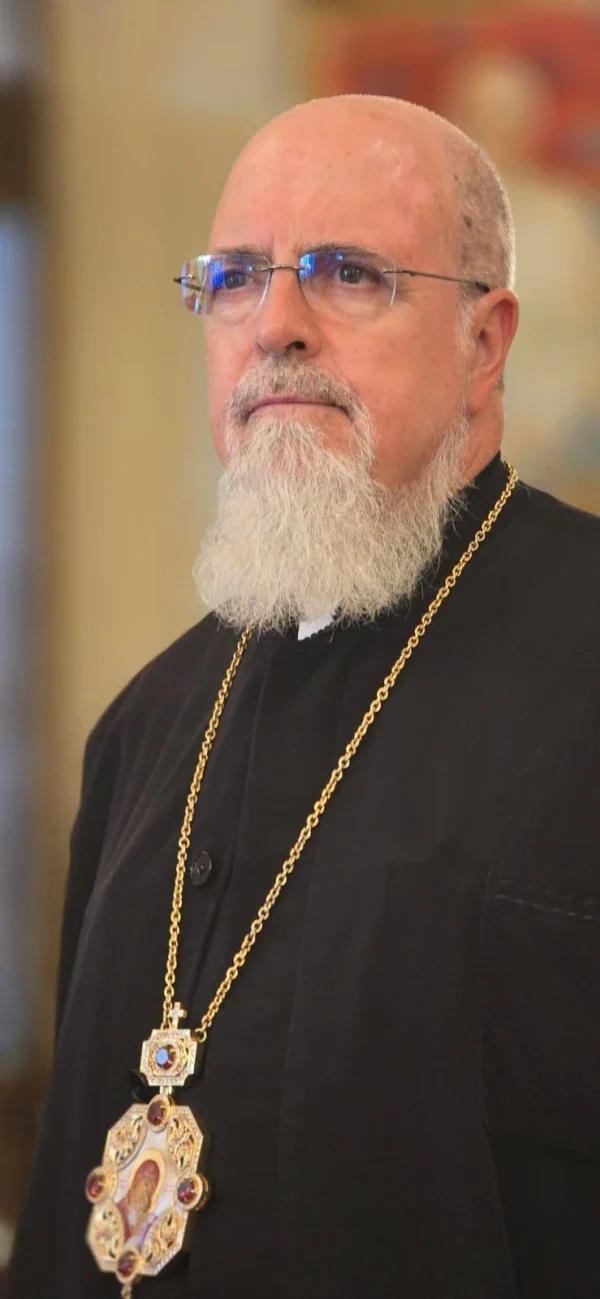
Before his new assignment, he served for 10 years as apostolic exarch in Greece, leading a small but diverse community comprised of Greeks, Ukrainians, and Chaldeans from Iraq.
Regarding Grottaferrata's spiritual mission, Nin emphasized that the monks seek "to make known the beauty of Byzantine prayer, theology, and liturgy."
Every Sunday, some 60 or 70 people participate in the Divine Liturgy, some from the town and others from Rome.
The monastic life, he explained, maintains the cenobitic structure common to both East and West — prayer, communal meals, and manual labor — inspired by St. Basil and St. Benedict. Currently, the monastery is engaged in various activities, including the restoration of ancient books and writing icons.
Challenges to Christian unity
The new exarch arrives at a community of five monks with the desire for its resurgence "on a human, spiritual, and cultural level," resuming meetings, conferences, and opportunities for study, and offering witness to communion and fraternity.
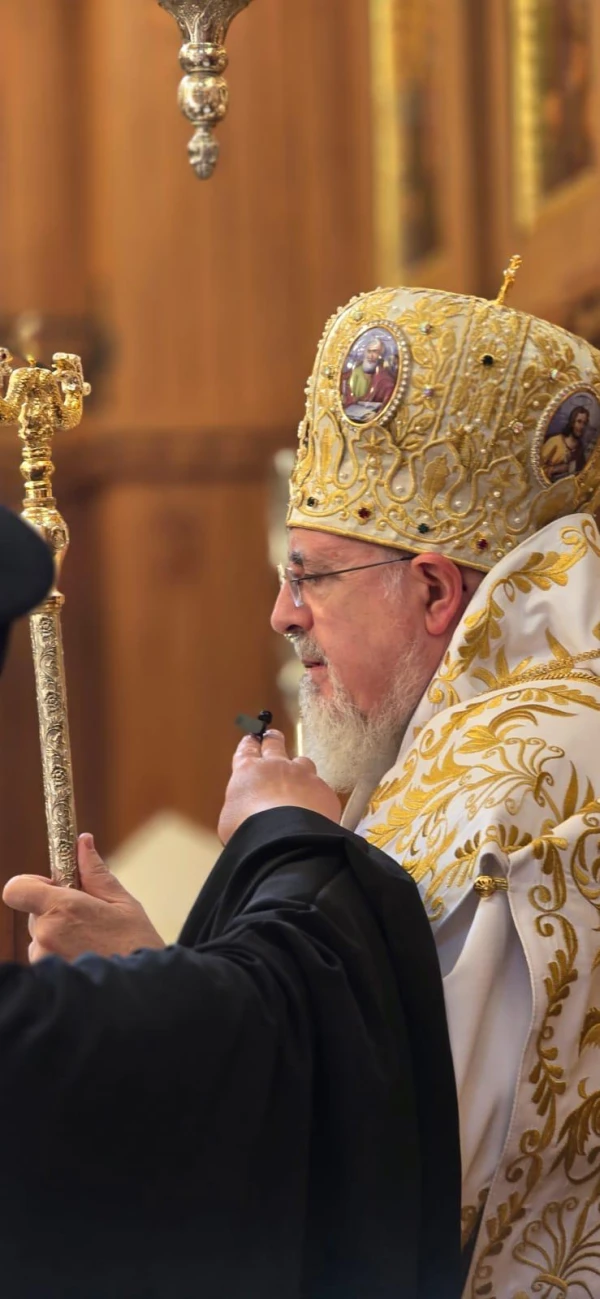
Looking to the future, his dream is that Grottaferrata will once again be "a place of encounter and dialogue," that through prayer and daily life it will become a point of reference for Christians in Italy and around the world.
In this way, the ancient Byzantine abbey near Rome could renew its historical vocation: to build bridges between East and West on the path to Christian unity.
This story was first published by ACI Prensa, the Spanish-language sister service of EWTN News. It has been translated and adapted by EWTN News English.