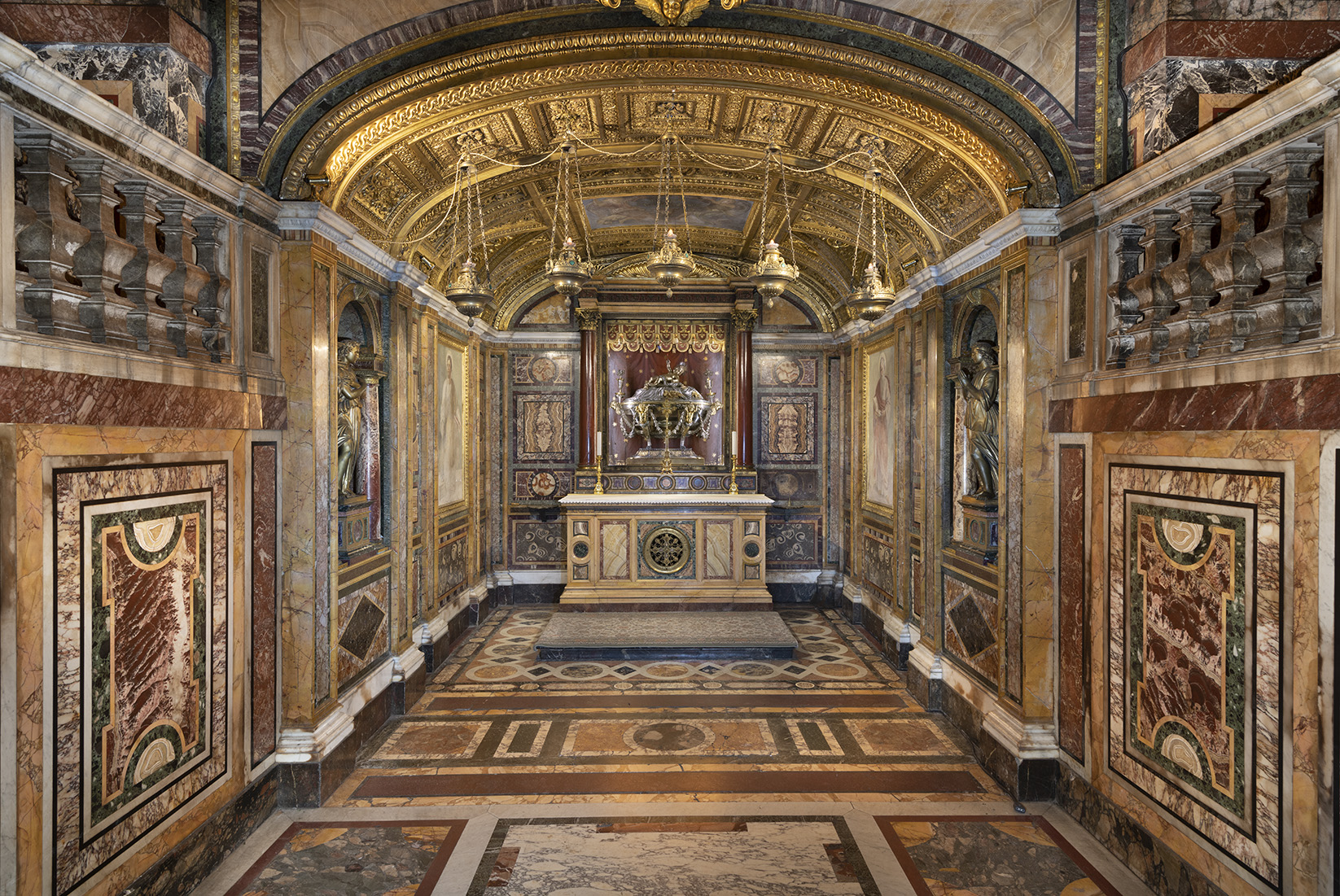
The Papal Basilica of St. Mary Major in Rome will begin restoration of its Pauline Chapel, a significant work of early Baroque architecture.
The basilica announced plans to restore the chapel's artwork in a press release on Nov. 6. The project, set to begin on Nov. 16, is one of several in an extensive conservation campaign. During work, the chapel will be closed to the public for 90 days.
As one of Rome's four major basilicas, the basilica is reputed to be the oldest shrine dedicated to the Virgin Mary in the Western Hemisphere, built shortly after the Council of Ephesus in A.D. 431, which defined the doctrine of Mary as Mother of God.
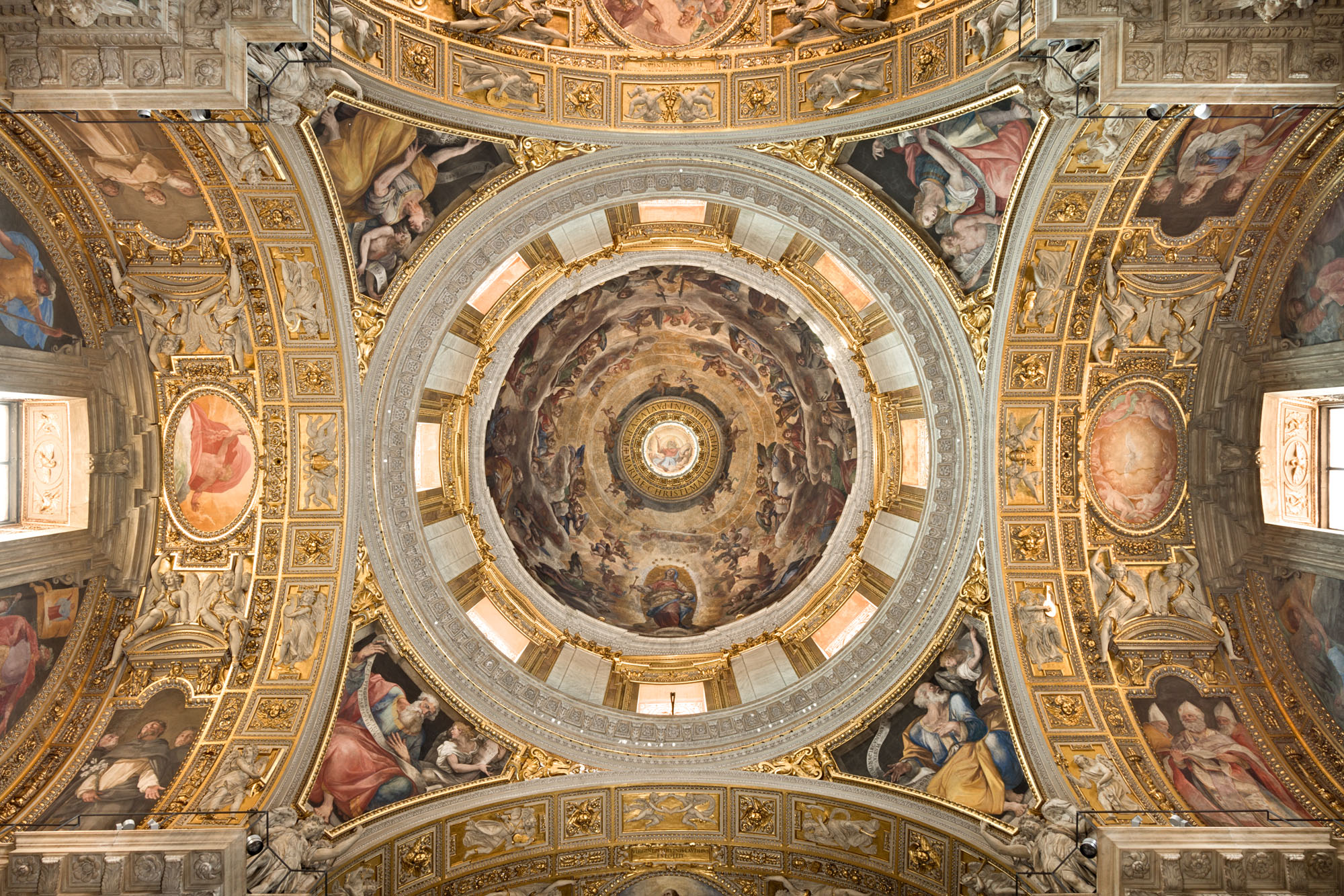
The project will also be carried out in collaboration with the Governorate of Vatican City State and will focus on the chapel dome and its surrounding frescoes.
Papal devotion and the 'Salus Populi Romani' icon
The Pauline Chapel also houses the ancient Marian icon "Salus Populi Romani" ("Salvation of the Roman People"), depicting Mary and the Christ child.
Tradition holds that St. Luke the Evangelist made the icon. Since its creation, popes have venerated it with liturgical processions and ornate decorations, including St. Gregory the Great and Venerable Pius XII. In 1615, Pope Paul V built an ornate chapel in St. Mary Major to house the icon and solemnly transferred it there.
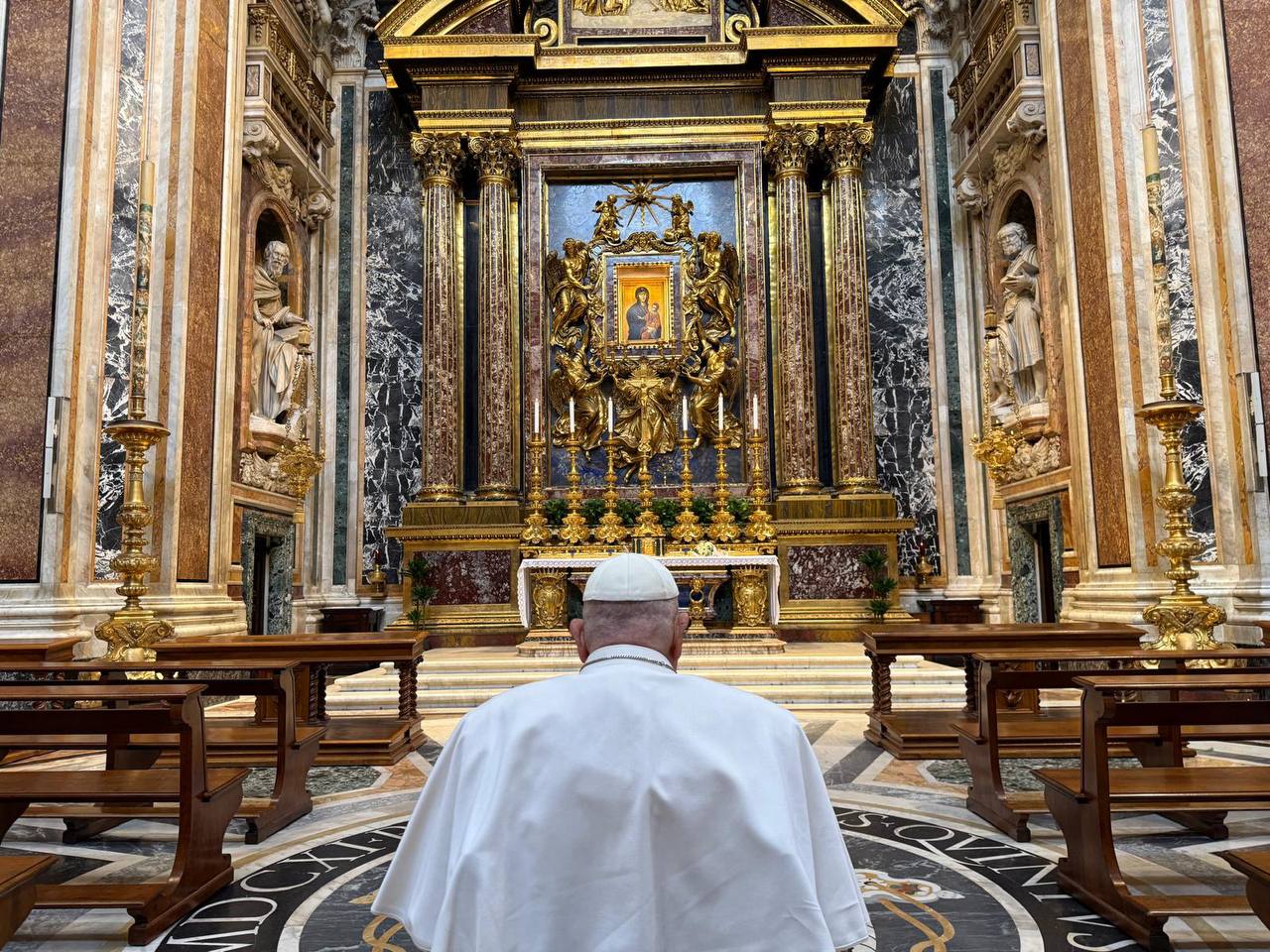
Pope Francis was noted for venerating the icon before and after every apostolic journey, visiting it 126 times in his 12-year pontificate. His tomb, placed near the chapel, was made at the pope's express request to be buried near the icon.
A project to restore Baroque architecture
According to the basilica's press release, Paul V, after whom the basilica is named, commissioned notable artists in 17th-century Rome to decorate the chapel.
A pictorial cycle surrounding the "Salus Populi Romani" icon centers on the Virgin Mary as mother of the Church. Created from 1610–1612, it involved artists Giovanni Baglione, Lodovico Cardi, Guido Reni, and Giuseppe Cesari.
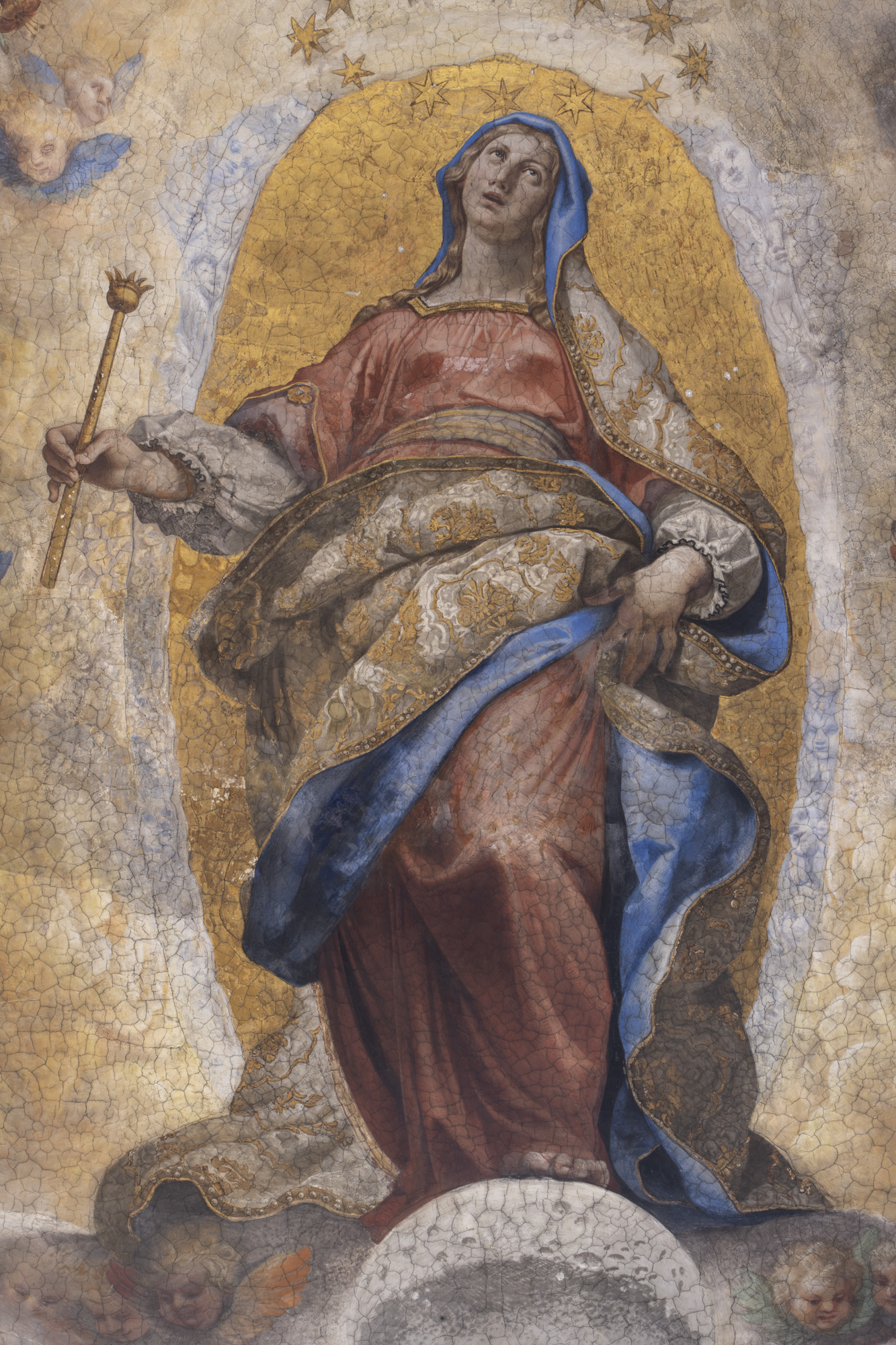
A prominent feature of the cycle is Cardi's "Assumption of the Virgin." Here, the Virgin stands atop a naturalistic moon, inspired by telescopic images by renowned astronomer Galileo Galilei in 1610.
The basilica is also undergoing restoration of the "Confessio" chapel beneath the high altar. As a result, the reliquary of the Holy Crib — containing pieces of wood reputed to come from the manger where Christ was born — has been moved to a side chapel in the right aisle for veneration from Oct. 15 to Dec. 24.