In a culture often quick to divide the sacred from the secular, Theopolis is creating space for the two to meet — supporting Catholic artists and inviting audiences of all backgrounds to encounter faith through art, beauty, and culture.
The Canadian nonprofit was founded in 2025 by Eden O'Brien and Monica Sifert. The two met while attending Our Lady Seat of Wisdom College in Ontario and maintained the friendship over the years after graduating in 2018. A shared passion for Catholic arts and culture led to their decision to create a society for Catholic artists.
The inspiration behind Theopolis also came from the story of the apostle Philip and the Ethiopian eunuch. In the story, Philip asks the eunuch if he understands what he's reading. The eunuch responds no, how can he unless someone explains it to him?
"So once it's explained to him, he wants to be baptized in essentially a puddle on the side of the road. And so that was really inspiring because it went to show how people can engage with media that they don't 100% understand," O'Brien told EWTN News in an interview. "It was Scripture in this case, but it can still prepare the soul for baptism. So that passage has become a kind of motif for our project."
Theopolis — which means "city of God" — works to serve Canadian artists and provide them with visibility and the support and resources they need to be able to focus on their craft and become successful.
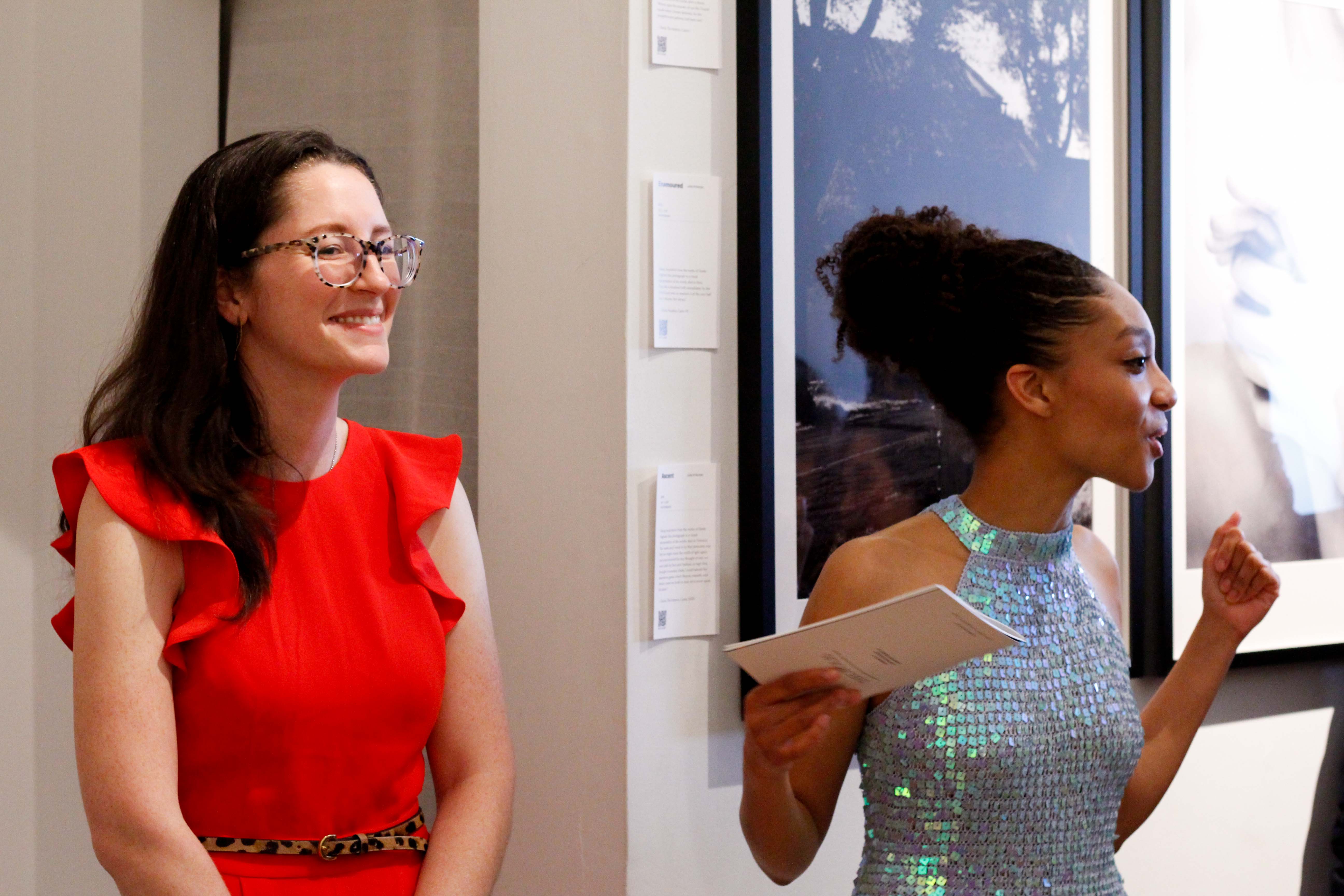
O'Brien told EWTN News in an interview that there are "two wings of the project." One is the community side where the group helps to support the artists they work with and supports them "across their professional lives … connecting them with mentors, resources." And second is building "an audience that helps appreciate our artists."
"The other wing to the project is this intersection between faithful and secular audiences," O'Brien shared. "So, things like our public lecture, our exhibition, any kind of public event is based around creating an audience that can learn more about what our artists are doing either in a direct way — as with the exhibition — or in a couple steps removed like with the lecture. It just gets the conversation going."
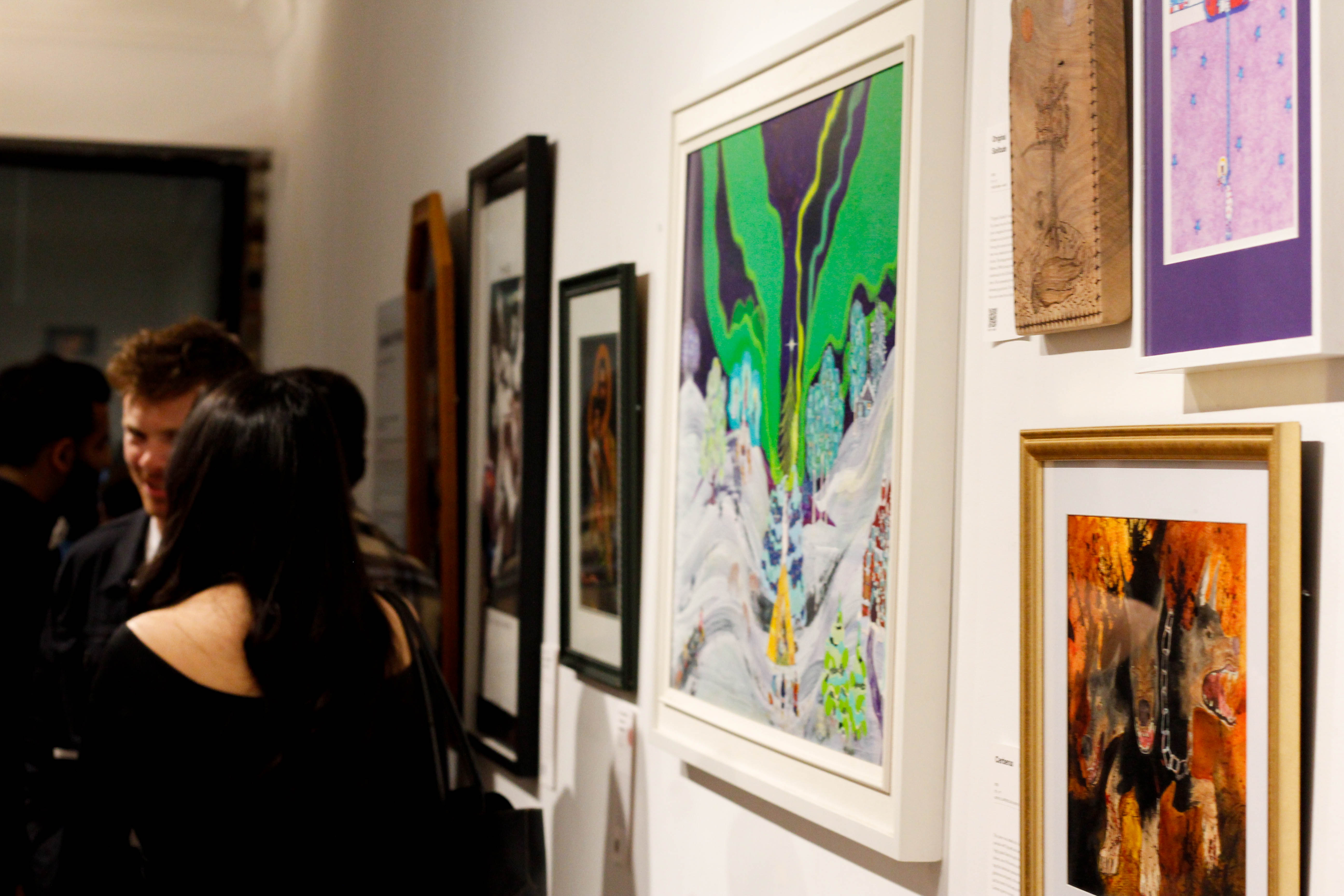
In May, Theopolis hosted its first exhibition called "The Drama of the Soul." Twelve Canadian Catholic artists participated and created pieces of art that "explored the human soul as the protagonist of a journey that extends beyond life, death, and time," O'Brien explained.
Since then Theopolis has held an event each month. On Oct. 24, it will host its inaugural Gaudí Lecture, titled "The Christian Imagination and the Question of Autonomous Art," and will feature Jonathan Pageau, a French-Canadian icon carver, YouTuber, and public speaker who will discuss symbolism, religion, and Eastern Orthodox Christianity.
The goal for the lecture "is to make a public defense of the importance, impact, and enduring relevance of the Christian imagination, generally and specifically in Canada," O'Brien said.
Venerable Antoni Gaudí was chosen as the namesake "by the fact that he came to the faith through his artistic practice," she shared.
O'Brien explained that these public events serve as a way to "reignite interest in faith, culture, and the arts within our province and also to turn our artists' artwork to a kind of evangelical purpose by bringing it to Ontario's public square."
"Canada right now, it's different from the States in that with faith people don't wear it on their sleeve in the same way as they do in America," she added. "So it's a bit of a different environment here and so being able to speak to people about the faith through the arts, which kind of bypasses some of the maybe intellectual blockage points that people would have, is really important in Canada at this time."
The impact of AI on Catholic art
Pope Leo XIV recently told a group of Catholic artists at the Vatican that there is a fundamental difference between the art humans create and what artificial intelligence can make based on the work of others.
"The Church needs you," the pope said. "This is especially true in this age of artificial intelligence, in which we urgently need to distinguish human art from what is produced by machines."
As a Catholic artist herself, Sifert said, "it's certainly a threat, but I still think that people are going to want the human touch to art."
She added: "I think that the human touch to art will never go away and that you can really tell, especially from an icon perspective, you can really tell when art has been created by AI or not. It might be difficult [to tell], but still, the sacramentality behind art is not going to go away if you have the human touch to it."
While O'Brien thinks AI can be "a great assistant," she said that "when it comes to the creative side of things, there really is the threat that it stifles the creative power."
"I do think that there is this very real threat that imagination, and that kind of faculty, becomes seriously weakened," she added. "I use AI, as I said, just as an assistant, but even having that habit can weaken your own skills in more basic functions. So I can only imagine how within our own souls it's going to weaken that."
Looking at Theopolis as a whole and its mission, said she O'Brien hopes it will continue "to support the vocation of Catholic artists within the province. Stemming from that, we would like the effect of that to be a kind of creative renaissance of Catholic art within our province."
"We want this art to be brought to the public square in Ontario so that it can be accessed by a wide audience of both people who are Christians themselves and particularly people who aren't practicing the faith, or a faith at all, just so they can have this opportunity to be inspired and, going back to our conviction, that no matter your background or the type of media the Holy Spirit can choose to use it in whatever way he wants."