Cardinal Pierbattista Pizzaballa, the Latin patriarch of Jerusalem, said the cross is not a sign of defeat or death but an expression of God's love and the victory of life, urging Christians in the Holy Land to make it a way of life rooted in love and self-giving.
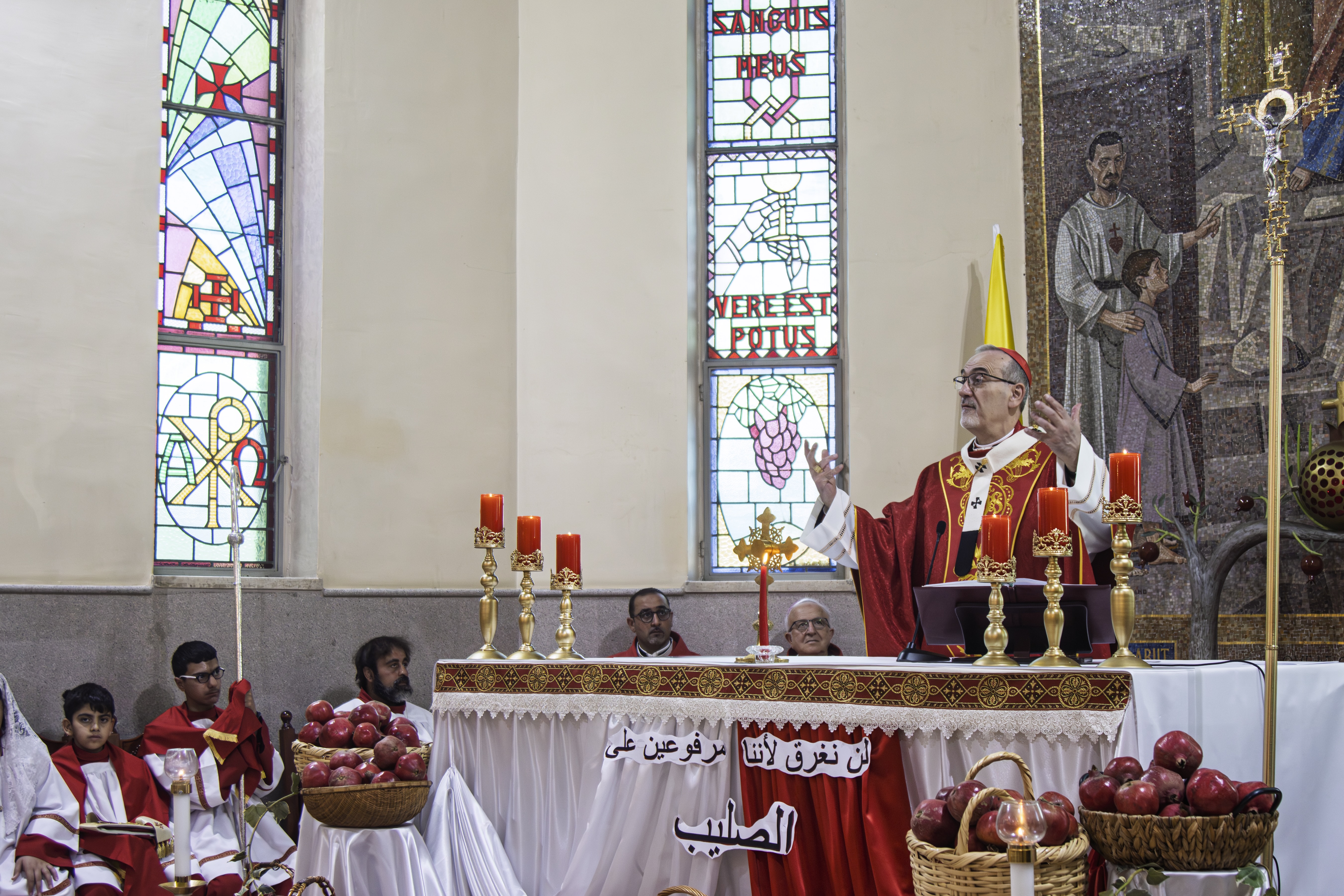
Pizzaballa made the remarks while presiding over a Mass on the eve of the feast of the Exaltation of the Holy Cross at Christ the Redeemer Church in Taybeh, a predominantly Christian town in the West Bank.
Bishop William Shomali, patriarchal vicar; Father Davide Meli; and Father Bashar Fawadleh, the parish priest, concelebrated the Mass.
"The cross is our victory, and it is the victory of love," Pizzaballa said.
He added that Christ "chose to enter into the suffering of the cross out of love for us." The patriarch stressed that Christians are "people of the cross" and that the sign defining their identity should be reflected in the way they live and in their relationships within their families, parishes, and wider communities.
"We are called to live according to the logic of the cross," he said.
Pizzaballa noted that Christians do not need to seek out suffering, because they are already surrounded by suffering in many forms. Yet, he said, such experiences can become an opening for God's presence in their lives.
Fawadleh welcomed Pizzaballa to the celebration, telling him: "Your presence today is more than simply taking part in our feast; it is a sign of communion, consolation, and hope."
The celebration took place as Taybeh continues to face the repercussions of attacks by Israeli settlers, restrictions on movement and access to essential services (Palestinians living in the West Bank require Israeli permits to enter Jerusalem), declining employment opportunities, and continued emigration — all pressures that have placed additional strain on the town's residents.
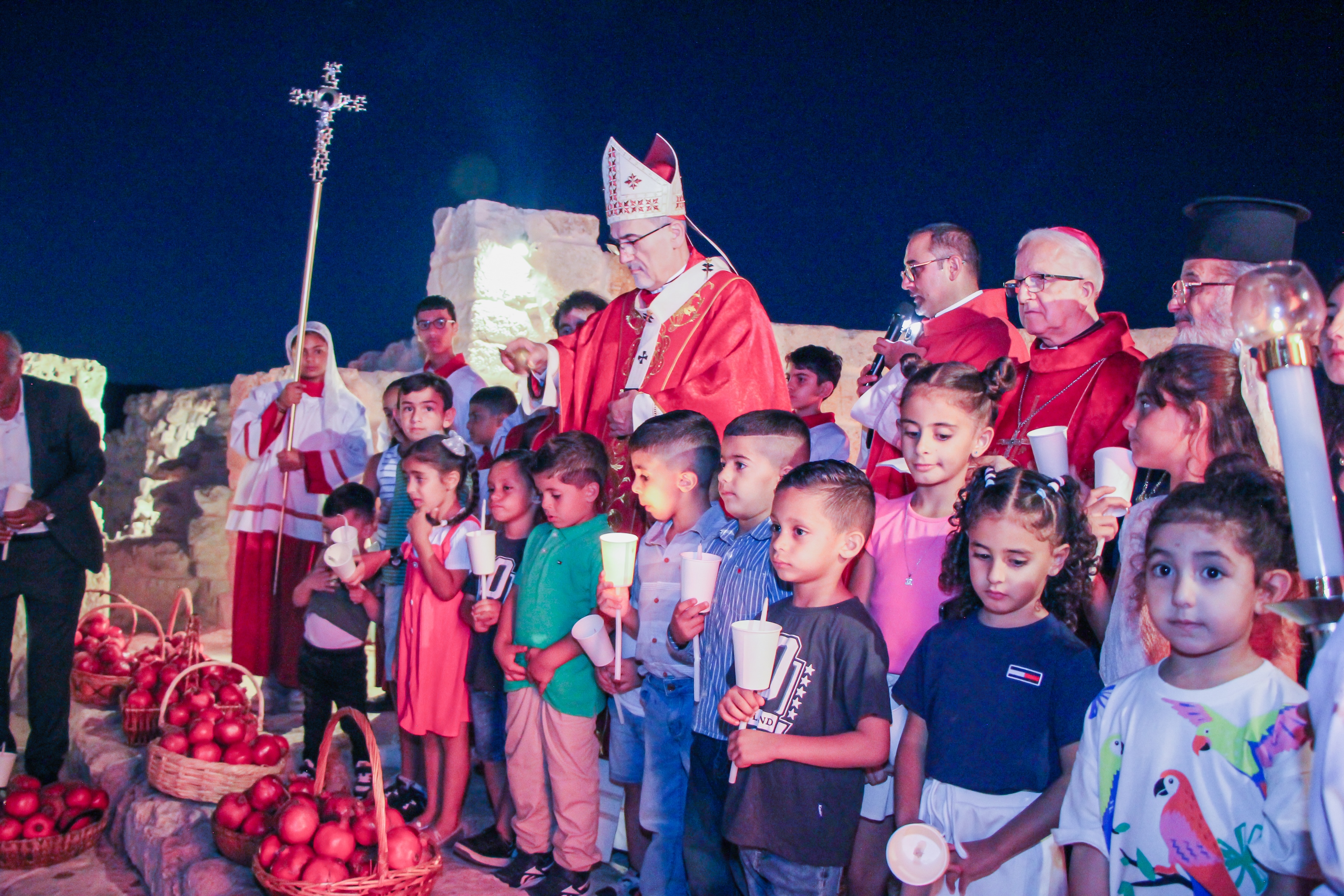
Following the Mass, the faithful joined a candlelight procession through the streets of Taybeh to the historic St. George Church, known locally as Al-Khader. There, prayers were offered and pomegranates were blessed and distributed to participants before the traditional feast day flame was lit.
This story was first published by ACI MENA, the Arabic-language sister service of EWTN News. It has been translated and adapted by EWTN News English.