Official figures show a drastic drop in irregular migration in Mexico and in encounters between undocumented migrants and U.S. authorities at the U.S.-Mexican border.
However, a priest who has been helping migrants for over a decade points to a reality that goes unrecorded: routes that are less visible, more expensive, and exposed to organized crime networks.
In Mexico, according to figures from the Migration Policy, Registry, and Personal Identity Unit, the number of recorded instances of individuals with irregular migration status fell from over 1.2 million in 2024 to 155,730 in 2025. As of May of this year, the total stands at 18,083 cases.
On the U.S. side, Customs and Border Protection (CBP) recorded 443,671 encounters at the southwest border during fiscal year 2025, compared with 2.1 million the previous year. So far in fiscal year 2026, the figure stands at 90,121.
This trend also reflects the shrinking number of people assisted by Catholic shelters.
Located halfway along the route of those seeking to reach the north of the continent, the Mexican city of Puebla is also seeing a drop in the number of migrants arriving to seek help at Catholic shelters.
Father Alberto Vivar León told ACI Prensa, the Spanish-language sister service of EWTN News, that 1,200 migrants were assisted at the Archdiocese of Puebla's three shelters during 2023. Two years later, in 2025, the figure was 145.
Ordained nearly 15 years ago, Vivar has dedicated the last 11 years to assisting migrants. He estimated that the shelters have assisted around 60 migrants during the first half of 2026.
His close involvement with migrants began at San Felipe de Jesús parish in Hueyotlipan, about an hour north of Puebla. The parish boundaries include the Puebla City Central Bus Terminal (CAPU, by its Spanish acronym), which for years has served as a transit point for many migrants continuing their journey northward.
Both that parish and Our Lady of the Assumption, where Vivar has served as parish priest since late 2021, are located near the railway tracks known to many as "La Bestia" ("The Beast"), another mode of transport historically used by many migrants, despite the risks involved in traveling atop freight cars.
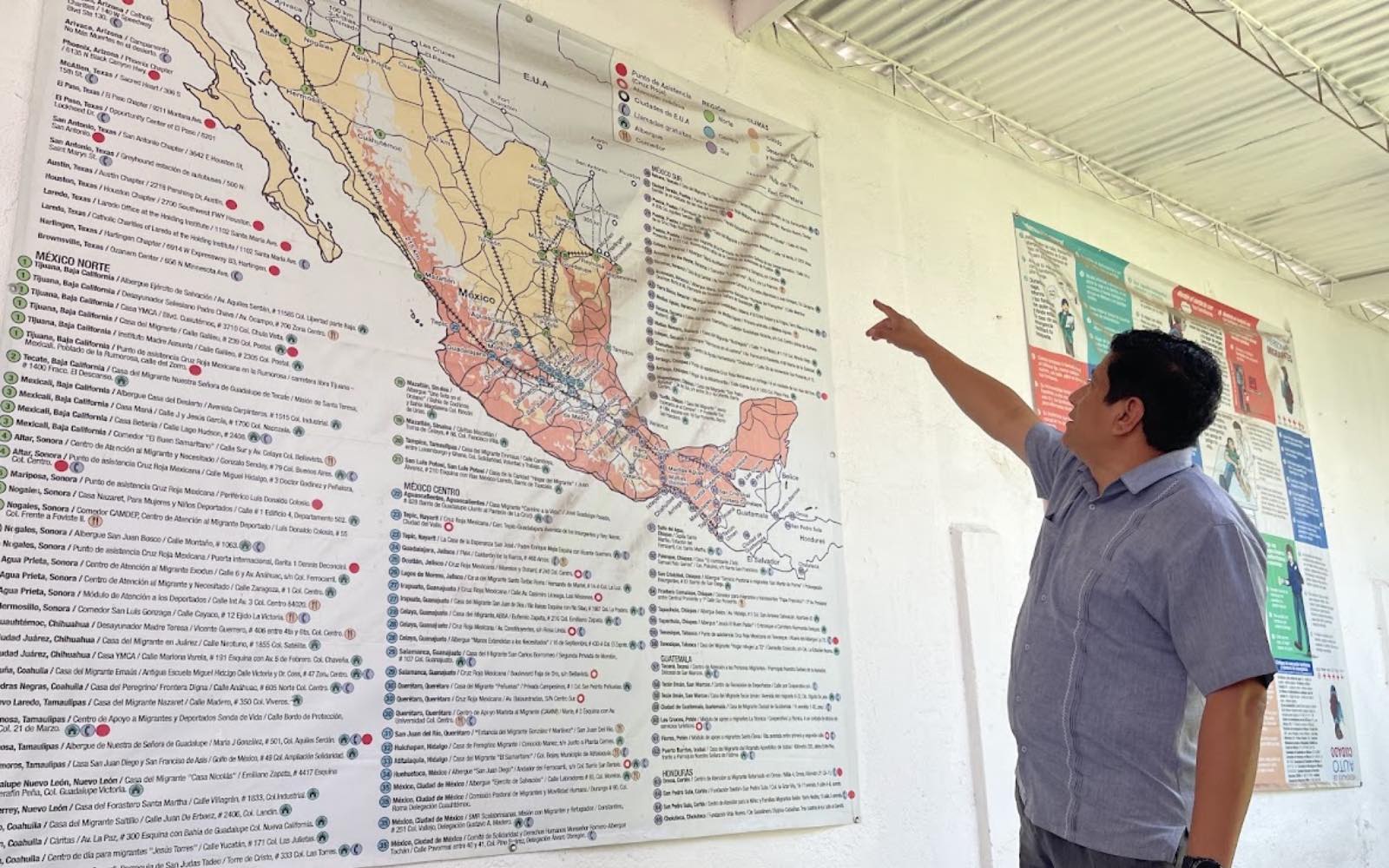
The numbers
Although the figures point to a decline in migration flows, Vivar said this doesn't mean people have stopped trying to reach the U.S. "The traffic continues," he said. "Perhaps not as many as before, but they keep coming through. People are still passing through Mexico."
He believes the policies implemented by the administrations of President Donald Trump and Mexican President Claudia Sheinbaum have contributed to a "natural decrease in the number of people, because they couldn't cross as freely." However, he maintains that these policies have also led to a situation where "organized crime exploited the circumstances and began profiting from them."
Criminals are currently demanding "between $6,000 and $7,000" of migrants seeking to cross Mexico, he said.
"Organized crime … continues to take advantage" of migrants, he reiterated.
An important change in migrant transportation
Throughout his years of pastoral work, Vivar has observed a significant shift regarding transportation.
In the past, he noted, migrants would board the freight train to take advantage of routes heading north. However, since 2018, many have avoided this option because "drug traffickers with long guns get on, demand payment, and throw anyone who doesn't pay off the train."
Word of this has spread among migrants, leading them to switch to buses; subsequently, however, Mexican authorities stepped up document checks for those traveling through the country.
The result was that many migrants began to rely on buses offering alternative routes, some of which were controlled by criminal groups.
Along these routes, Vivar said that some migrants end up falling victim to scams, abuse, and even forced labor.
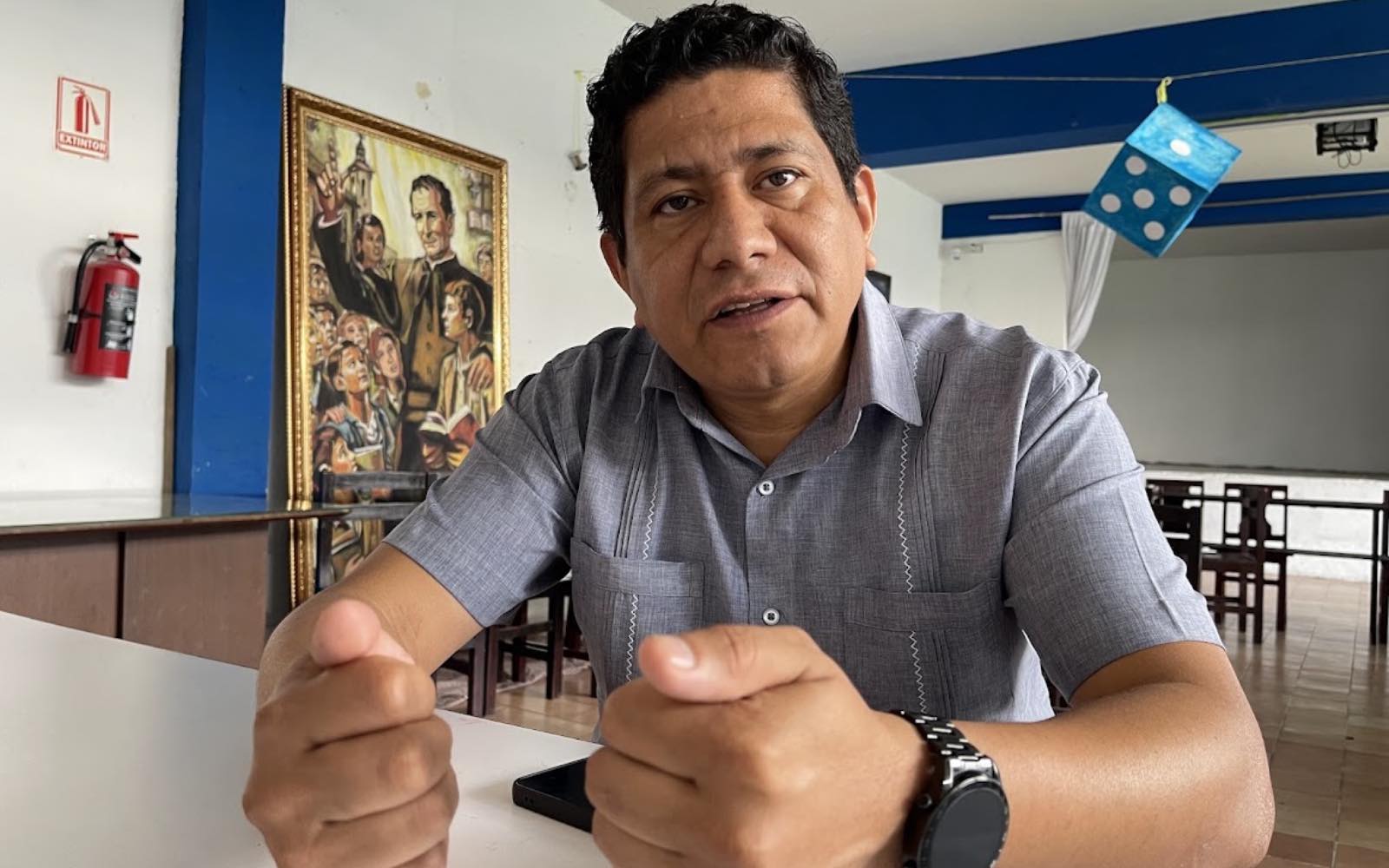
Violence: A constant on the migrant's journey
One of the cases the Mexican priest recalled involved a group of five or six young people whom he had advised to be wary of anyone trying to offer help, "because people are watching where you come from and who you are."
"They didn't listen to me, and a pickup truck took them away," he said. "They took them to a ranch. They kept them there working for about 15 days without pay" and barely gave them anything to eat.
"One day, they managed to escape," he said. "They returned to the shelter ... and said, 'Father, you were right.'"
Criminals, Vivar warned, "are lying in wait at bus stops" such as the CAPU terminal, where "several individuals are looking specifically to rob migrants" because they are easy to spot "and [the criminals] know that if they rob them, they won't cry out" because the authorities "will deport them."
He also recalled one migrant who was abducted in San Luis Potosí and fell victim to sexual abuse at the hands of criminals. The victim managed to escape when his captors asked him to prepare breakfast. He seized a moment of inattention to flee barefoot and, after receiving help from several people, managed to reach the shelter in Puebla. "It was a very, very ugly situation; and from here, we paid for his fare to Tapachula in southern Mexico so he could continue on to his country."
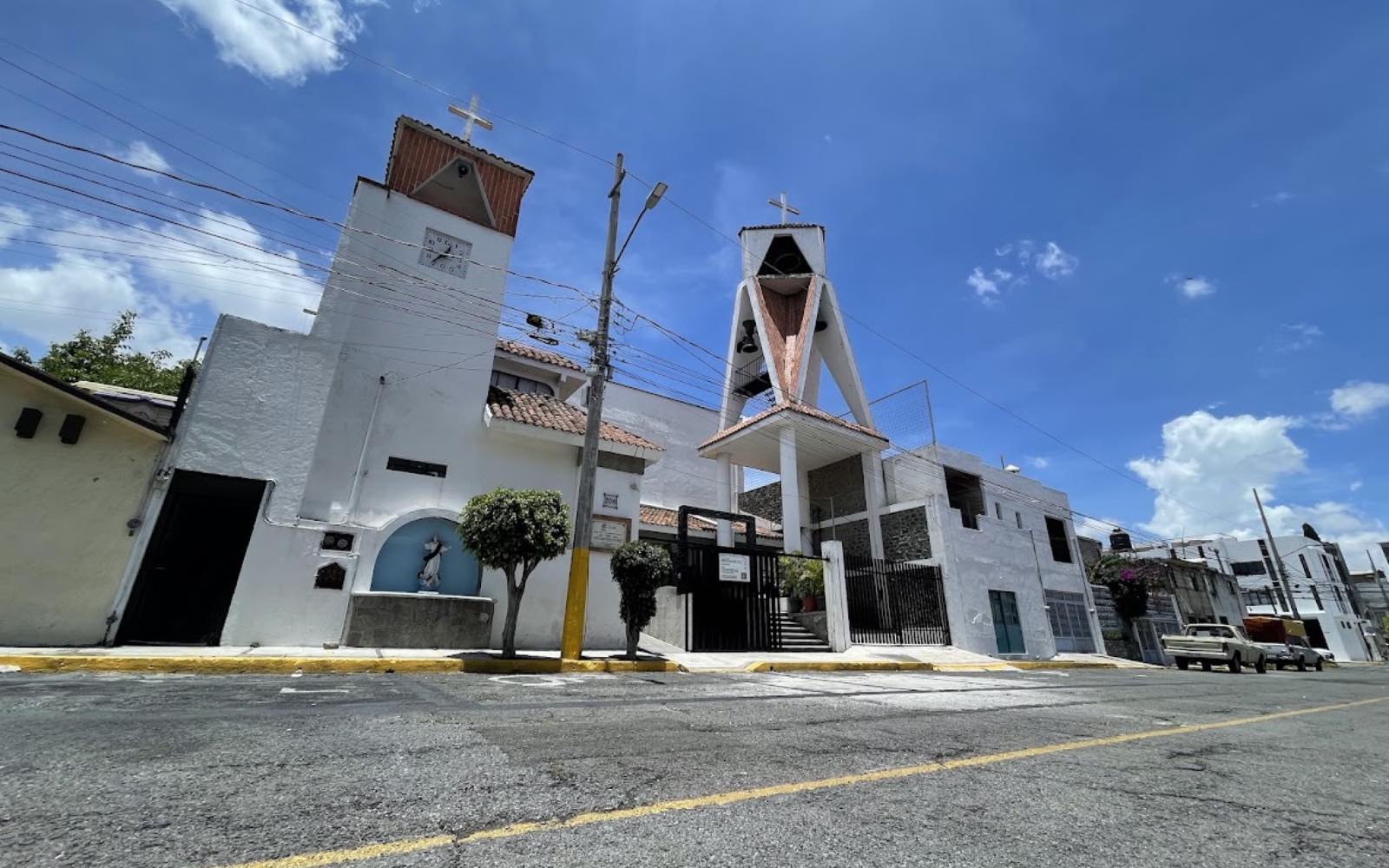
The Church's response
In the face of such suffering, Vivar noted that the Church continues to maintain shelters where migrants can receive food, clothing, medical care, and a place to rest for one or two nights before continuing their journey.
Furthermore, thanks to a bazaar organized by the parish community, there are funds that help cover the cost of travel fares as well.
These shelters receive no government aid. Years ago, during the massive migrant caravans, authorities would send some aid, he said, but "there has been a distancing since 2018 under the new administrations because that support is no longer there."
"The government does not have migrant shelters; it's the Church that operates migrant shelters throughout the country. The National Migration Institute has detention centers; they are not shelters," he said.
Assistance to migrants should not be restricted to Catholic shelters but should be the responsibility of every believer, Vivar emphasized, and every Christian must "try to help."
Almsgiving, he said, is not about giving from "my surplus" but rather about "giving what is right."
"Give your alms, but alms in the sense of giving what is necessary. If you have some clothes, if you have a jacket, give it to them."
"Help however you can, and then — yes — send them to the shelters we have, and we'll see what else can be done," he added.
The migrant, he said, "didn't leave home because he wanted to ... he isn't going days without eating and sleeping on the street because he wanted to."
Rather, migrants leave "out of necessity, because they have no other option," Vivar said, and are "chasing a dream, trying to provide for their families."
This story was first published by ACI Prensa, the Spanish-language sister service of EWTN News. It has been translated and adapted by EWTN News English.