Cardinal Robert Sarah urged Europe and Africa to build their future relationship on truth, justice, and human dignity rather than ideological approaches, warning that today's geopolitical conflicts stem from what he described as a "crisis of the logos" in which reason and language become instruments of power rather than truth.
Speaking at the European Parliament in Brussels on July 15 during a discussion titled "Europe and Africa: In Conversation with Cardinal Robert Sarah," the former prefect of the Congregation for Divine Worship and the Discipline of the Sacraments said international cooperation is increasingly undermined by a growing disconnect between language and reality.
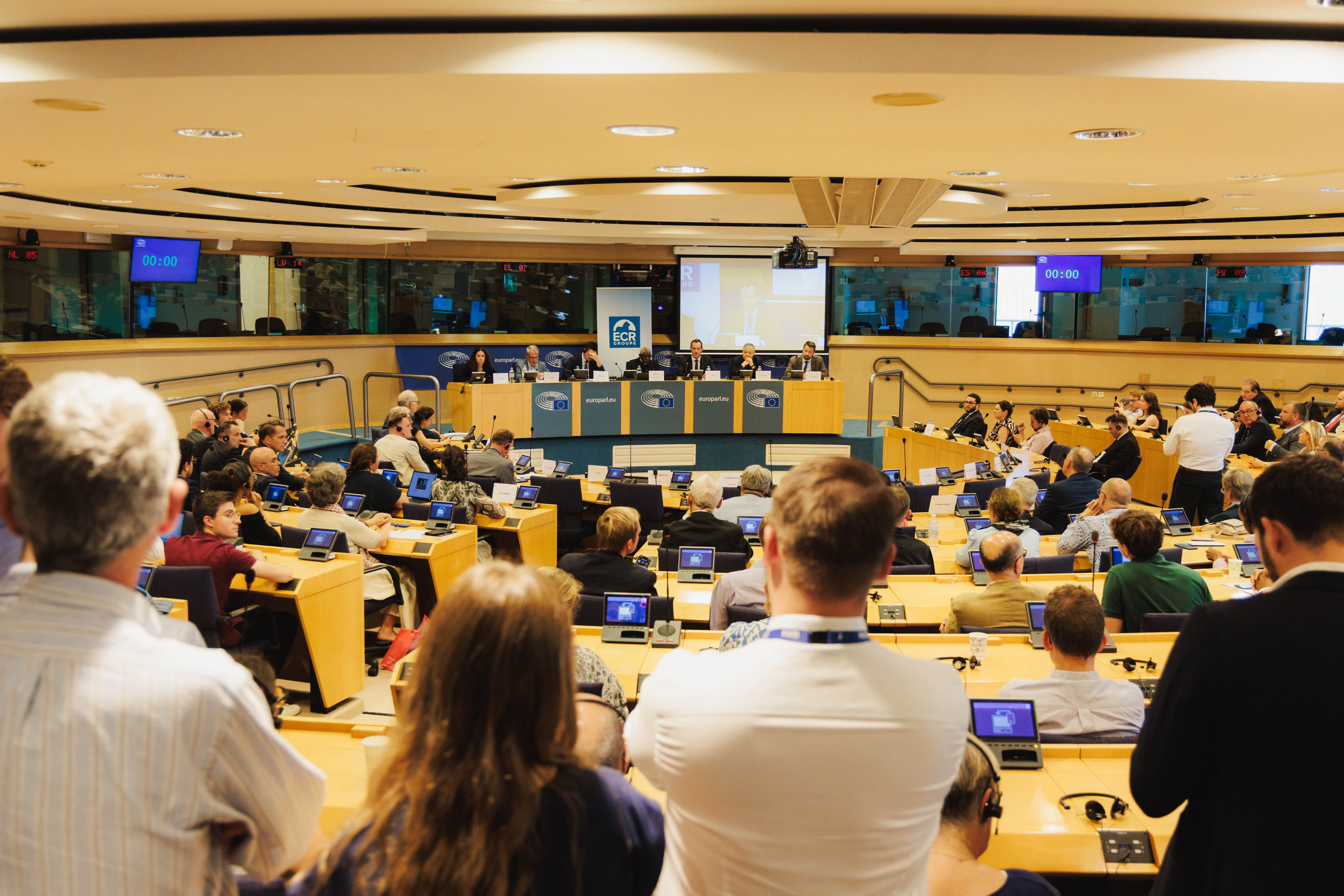
"In the relationship between the European Union and Africa, words are today used not to reveal reality but to hide it, and even to distort it," Sarah said.
Pointing to expressions such as "sexual and reproductive health," "gender equality," and "human rights," Sarah argued that such language is sometimes used to advance concepts that many African societies neither share nor have chosen.
"If words no longer mean what they say, how can there be authentic dialogue?" he asked. "How can Africa trust a Europe that speaks with equivocal, double-meaning words?"
He warned that international agreements relying on ambiguous terminology risk becoming "instruments of perversion and of silent power" rather than genuine cooperation.
Lessons from the pope's AI encyclical
Sarah also drew on Pope Leo XIV's encyclical Magnifica Humanitas, published in May, arguing that although it addresses the ethical challenges posed by artificial intelligence (AI), its warning against manipulative and deceptive language also extends beyond technology to diplomacy and international cooperation.
He said the encyclical calls on policymakers to ensure political, economic, and technological systems remain grounded in truth and always serve the human person. It also insists on human oversight and moral discernment so that AI remains at the service of the human person rather than becoming its master.
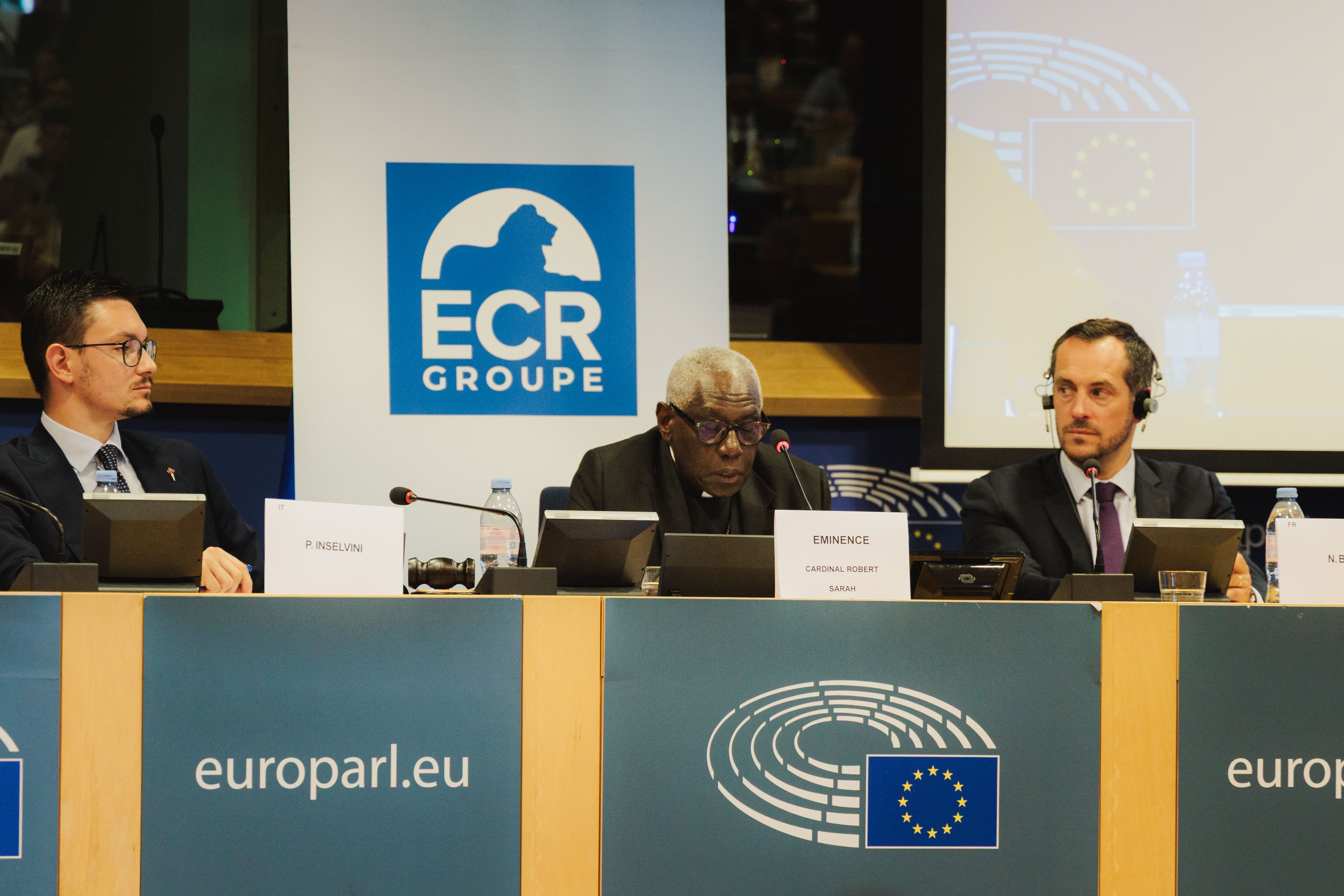
Warning against reducing individuals to "statistical categories or instruments of economic power" rather than recognizing their "transcendent dignity," Sarah said the encyclical ultimately places the human person at the center.
"The question remains, and always will remain, anthropological," he said, urging Europe and Africa to build their partnership on "the truth of the human person, of the family, and of peoples."
Europe-Africa cooperation
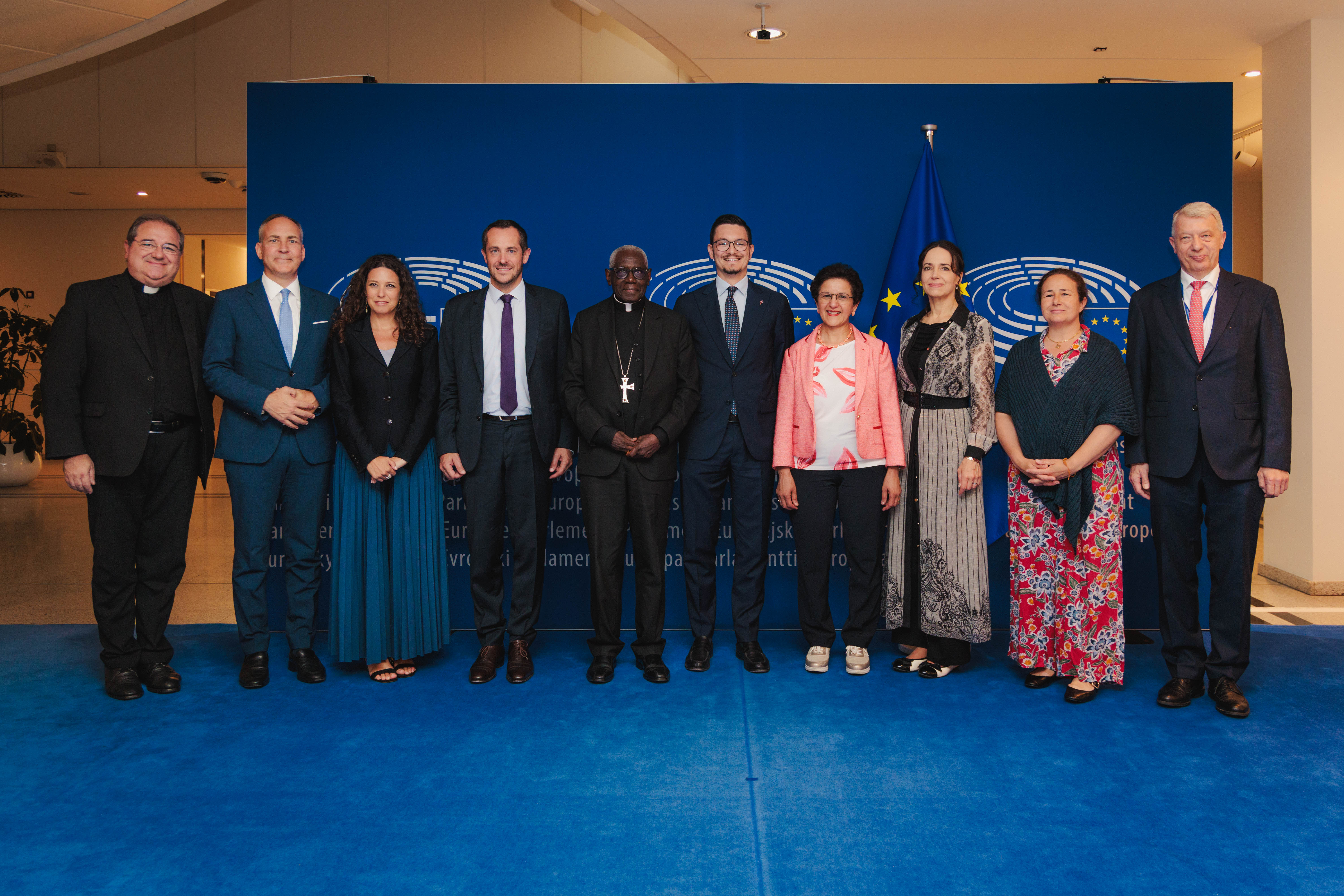
Opening the conference, Paolo Inselvini, an Italian member of the European Parliament, said the gathering offered an opportunity to recover Europe's Christian roots while promoting "a frank, equal dialogue" with Africa based on truth rather than ideology.
European Parliament Vice President Antonella Sberna pointed to the EU's Global Gateway investment strategy and Italy's Mattei Plan as examples of cooperation with Africa based on "respect, reality, and the identity of peoples." She said such discussions help "translate our values into legislation and concrete change."
Launched in 2021, Global Gateway is the EU's flagship global investment strategy. As part of that strategy, the EU aims to mobilize up to 150 billion euros ($171.9 billion) in public and private investment across Africa.
A bridge between continents
Born in Guinea, Sarah was appointed archbishop of Conakry by Pope John Paul II in 1979 at the age of 34, becoming the youngest Catholic bishop in the world at the time.
Pope Benedict XVI named him president of the Pontifical Council Cor Unum in 2010, and Pope Francis appointed him prefect of the Congregation for Divine Worship and the Discipline of the Sacraments in 2014, a position he held until his retirement in 2021.
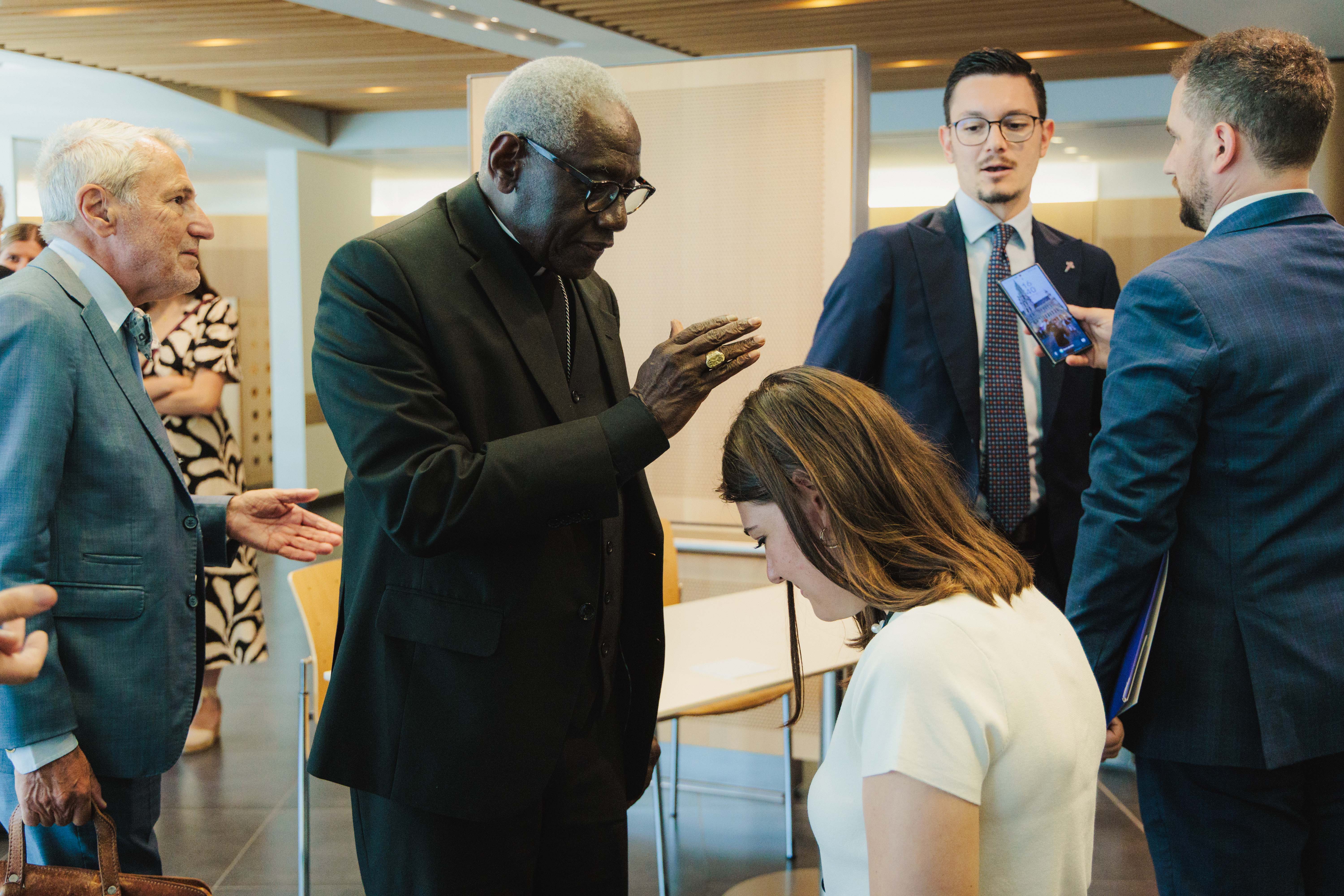
Archbishop Bernardito Cleopas Auza, the apostolic nuncio to the European Union, who also spoke at the event, recalled his first meeting with the cardinal during reconstruction efforts following the 2010 Haiti earthquake. He described Sarah as someone whose life and ministry have spanned Africa, Europe, and the universal Church.
Sarah remains one of the Catholic Church's most influential voices on evangelization, liturgy, religious freedom, and the relationship between faith, culture, and public life.